


Faculty Guest Blogger: Cathy Noto
My Connection to Marywood
My journey started at Marywood a long time ago, when my mother insisted I look at other universities for art, and I was dead set on attending Marywood. I didn’t look at any statistics or graphs to make my decision– I just wandered among the gigantic oaks and knew that Marywood would be my home for the next four years.
My undergraduate years were a dreamy seclusion of studying and a fervent exercise of art-making. I changed my major from art education to painting and continued in my creative bubble until I graduated.
I continued to return to Marywood for several milestones in my life, both for graduate school and for teaching. It is, in fact, a very strange sensation to continue to return to a place that holds so many formative memories. Marywood is more of an old friend than a place in my mind. Currently I teach Art History I and II at Marywood, and have taught Art in the Modern Era in the past.
A Broader View
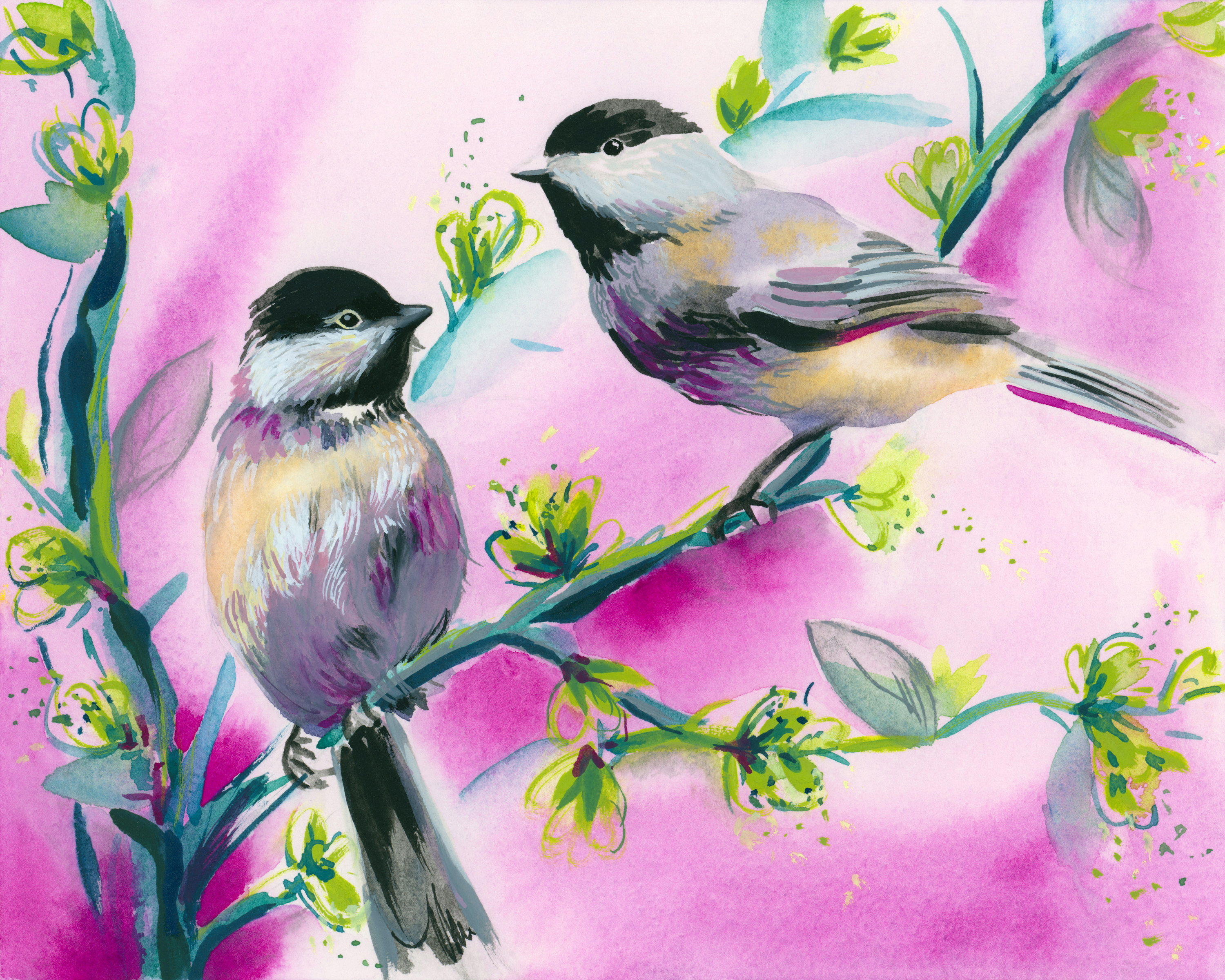
Shifting from a hands-on artist into the observational viewpoint of an art history teacher was a challenging transition for me, but teaching art history has been one of the greatest gifts because it has forced me to see my own line of work within a historical context. Our art history classes at Marywood take a global approach, so I was exposed to a much more diverse repertoire of work than I had previously explored. I began to add symbolic and narrative elements into my art, melding realism with iconography. The ancient symbols of Mesopotamia, of Egypt, of the Maya, and the Minoan spoke to me with a timeless language of stars and spirals. I appreciated the bold lines of Kwakwaka’wakw masks and the delicate lines of Persian miniatures. Exposure to many cultures is championed as part of the well-rounded, liberal arts education, but I hadn’t realized how necessary it was until I began to teach it.
I think the the Taoist teachings from Chuang Tzu records this discrepancy between a narrow mindset and a broad one best:
“Little understanding cannot come up to great understanding; the short-lived cannot come up to the long-lived…The morning mushroom knows nothing of twilight and dawn; the summer cicada knows nothing of spring and autumn.”
(Chuang Tzu, translated by Burton Watson, p. 28)
Finding Connection
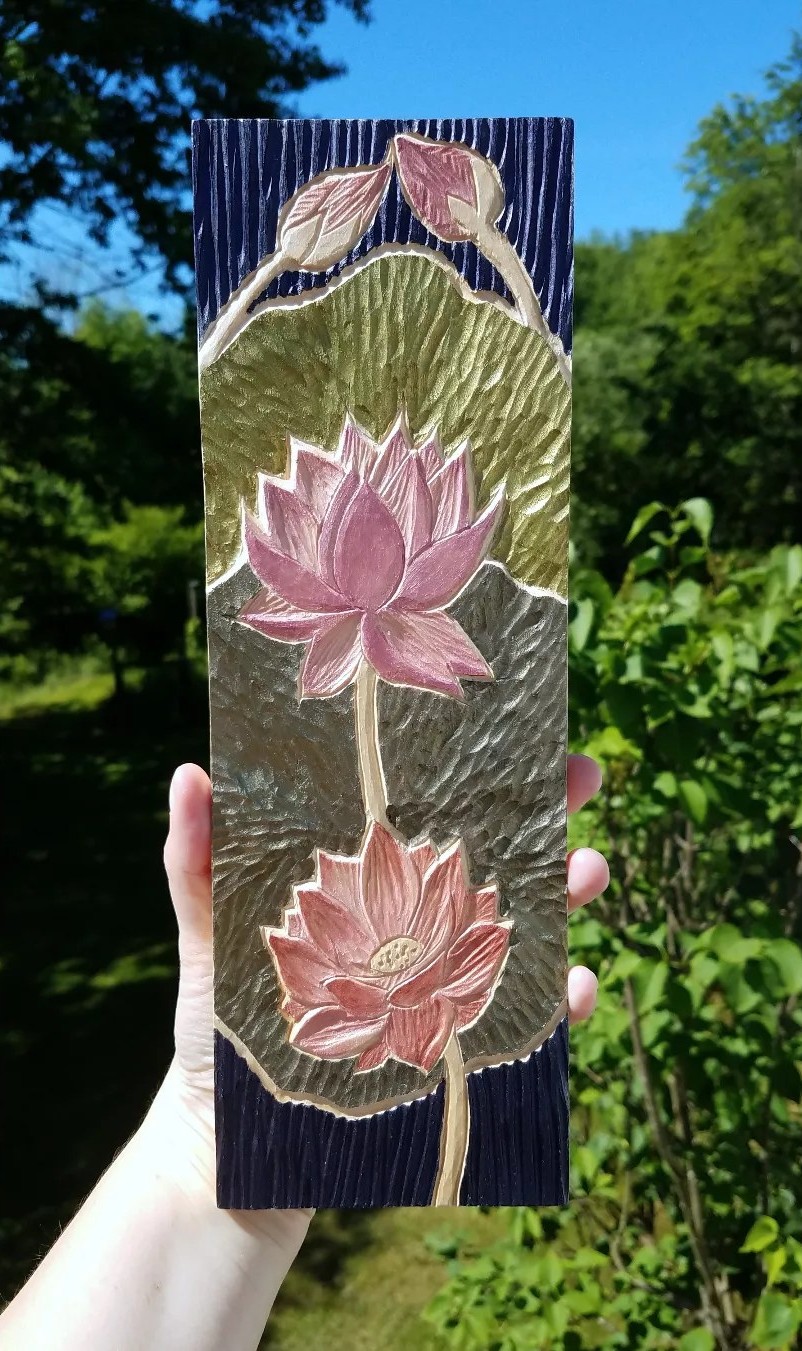
Besides teaching, I also create and sell my artwork online and at local shows. After struggling with Etsy shops and other online platforms, I reflected on what feels meaningful to me as an artist. Although art galleries, Etsy, and personal websites are touted as no-brainers for artists, they yielded few results in my experience, and even when I momentarily profited from them, I didn’t feel a sense of satisfaction.
In 2022, I tried out my first holiday show and made a decent amount of money from just one weekend of sales. I had a number of family and friends come out to support me and it was heartwarming to see so many of my favorite people in the same place. My work was well received even by strangers that I didn’t know, who gave me suggestions for future shows. Everyone was so encouraging, and I realized what had been missing from my online excursions: connection!
This was the first time I could watch people interact with my artwork. Customers would pick up my earrings and match it against their outfits, noting that the color was just the right shade of blue, or asking if I had a different shape of earring. Seeing the excitement when they found just the right piece to match their style was an incredible experience. The transaction went beyond the typical business exchange, and I suddenly understood why Alfred Steiglitz refused buyers who lacked enthusiasm from purchasing Georgia O’Keeffe’s work.


Many of my works contain pressed flowers, flowers that I had personally picked. I tried buying flowers online a few times, but they just never held the same essence. Many of the online flowers were artificially dyed and looked too bright against my more natural flowers. To be fair, many pressed flowers can lose their colors after being exposed to sunlight. When selling my artwork, I always made sure to identify the flowers in the art piece. Customers want to know– Is it a violet? Is it a forget-me-not? Does it have a special meaning? Creating things that had a little bit of Pennsylvania in them, that were local and went through a slow process added value to the finished product. People can tell when you put care into a product.
Cycling through shows for the next several months taught me so much: the importance of a good display, what my best-selling products were, and frankly, just how difficult outdoor shows were. I’d highly recommend selling at local markets to students because it’s a great way to learn the ropes of business, marketing, and art making all in one go.
When I return to the classroom, I bring with me years of experience as an artist—and when I create art, my time in the classroom informs each creative decision. Marywood has continued to provide a supportive environment for me and I am looking forward to another year of teaching and shows. If you’d like to follow along on my creative process and get to know when my next show dates are, please follow along at @cathynotoartist on Instagram and Cathy Noto Art on Facebook.