


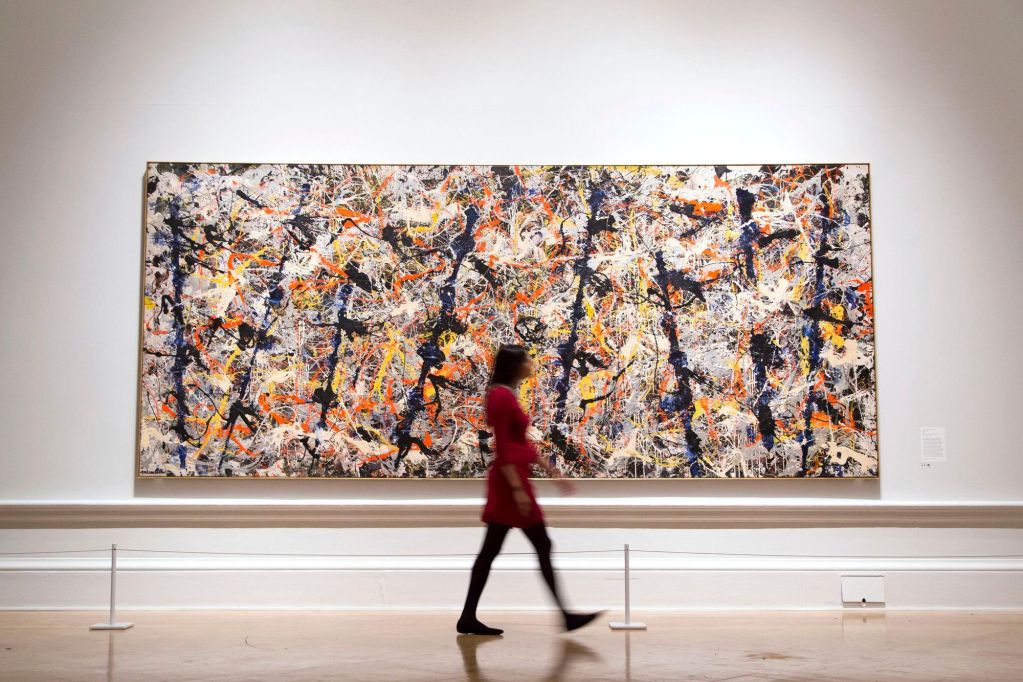
An important art movement that is often overlooked is Abstract Expressionism. Emerging in the United States during the 1940s and 1950s, artists began exploring a new form of abstract art where emphasis was placed on gestural brushstrokes, mark-making, movement, and color. This approach sought to create non-objective pieces that conveyed emotions and subconscious impulses. Some of the most famous artists who pioneered this movement include Jackson Pollock, Mark Rothko, and Willem de Kooning.


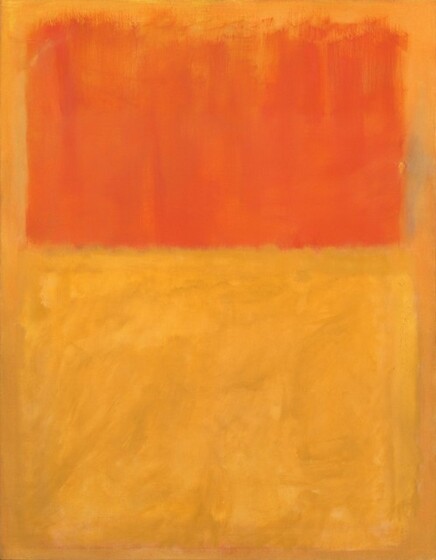


Abstract Expressionism is one of the artistic movements that can be controversial. Many people strongly dislike the movement because it lacks a recognizable subject matter and argue that it does not require much skill to produce. However, abstract art offers viewers a different way to engage with art, which can be challenging for some. Realism is meant to mirror the world around us, while abstract art moves beyond simple interpretations. Critics may fail to see that abstract art invites viewers to contribute their own perspectives and emotions, making them active participants in the creative experience.
A key element of Abstract Expressionism is the scale used to paint. Most abstract paintings are larger than people, often expanding over an entire wall. Just as the lack of subject matter invites the viewer to participate in the artwork, these artists used scale to emphasize this idea. Standing close to these massive paintings creates an immersive experience, drawing viewers into the emotions and energy within the piece.
“I also hang the largest pictures so that they must be first encountered at close quarters, so that the first experience is to be within the picture.” – Mark Rothko
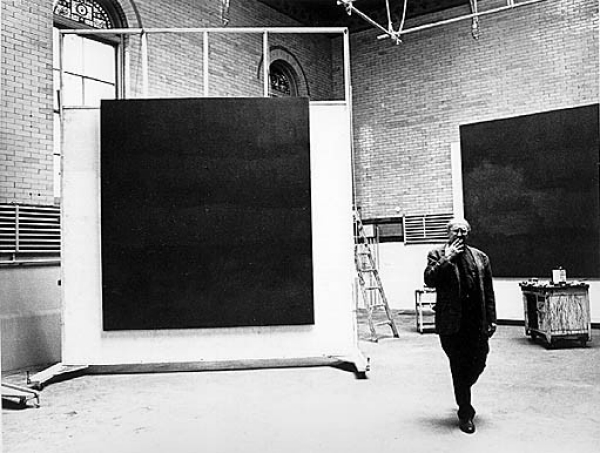
From Hans Namuth Estate, courtesy Center for Creative Photography, The University of Arizona
Abstract Expressionism sought to reach beyond realistic depictions and instead dive into the depths of human emotion and the subconscious mind. By embracing unorthodox techniques and materials, it redefined the boundaries of art and what it could convey. Ultimately, Abstract Expressionism represents a turning point in art, emphasizing personal expression and the power of interpretation. It serves as a reminder that art does not have to replicate reality to hold meaning; instead, it can exist as a reflection of the intangible.
Featured Image From: https://insights.masterworks.com/art/history/abstract-expressionism/art-movement-abstract-expressionism-2022/