


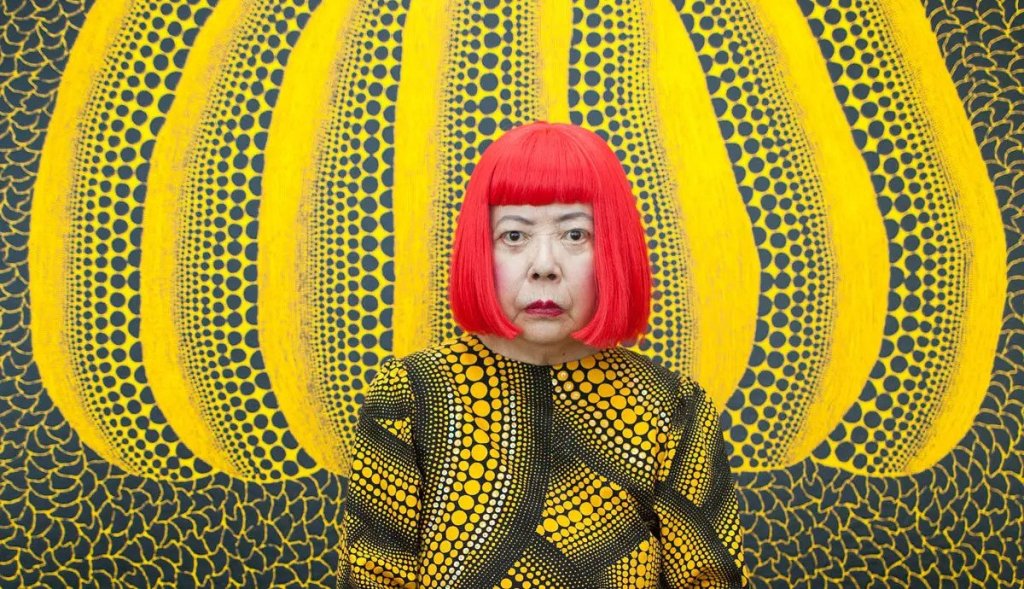
In honor of Women’s History Month, it’s important to recognize the countless women artists who have shaped the art world in powerful yet often unrecognized ways. This post highlights three incredibly influential artists who redefined artistic expression and left a lasting impact on history.

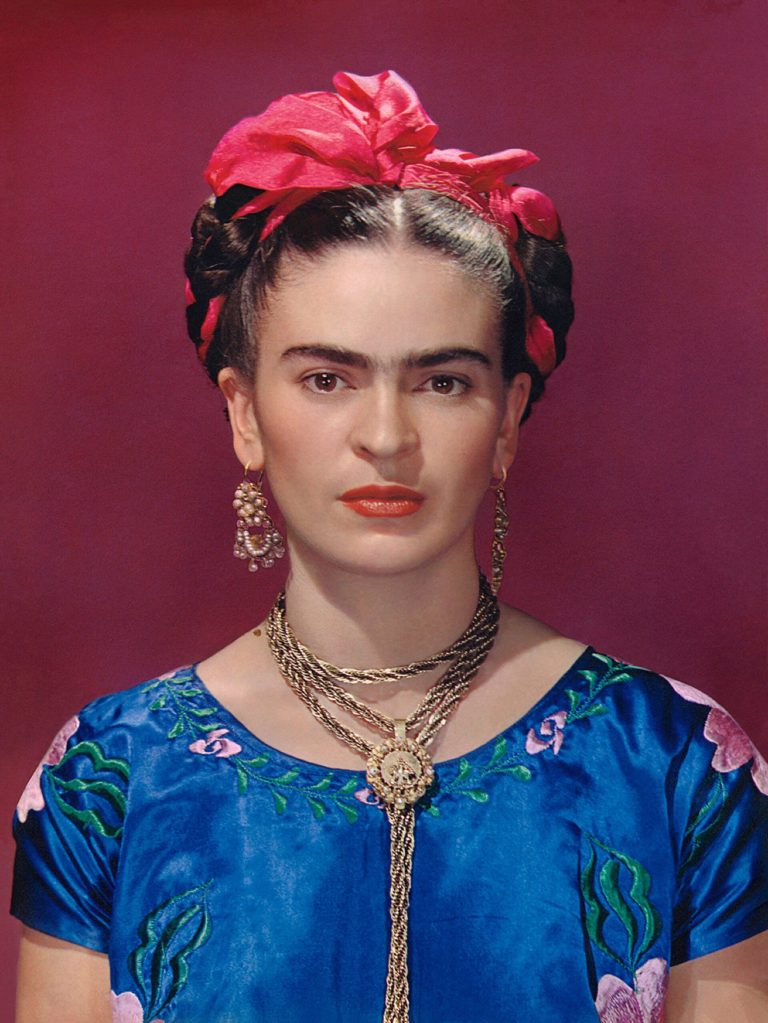
Frida Kahlo
1907-1954
Frida Kahlo was a Mexican painter known for her powerful and deeply personal portraits. Inspired by her country’s pop culture, she explored themes of identity, gender, class, and race. Her paintings blurred the lines between realism and fantasy, often reflecting her own struggles. Unfortunately, she suffered from chronic pain after contracting polio as a child and later sustaining severe injuries in a bus accident at 18. She was the first Mexican artist featured in the Louvre’s collection. Though not widely recognized in her lifetime, she later became an icon for Chicanos, feminism, and the LGBTQ+ community.

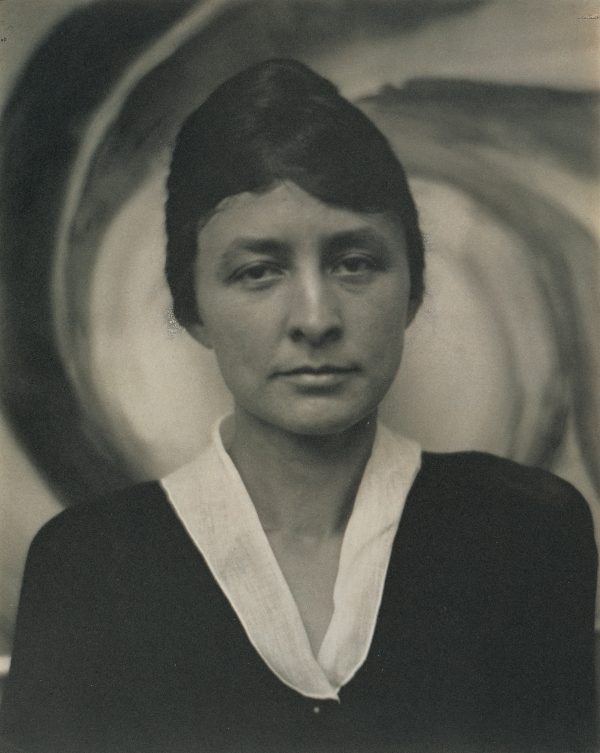
Georgia O’Keeffe
1887-1986
Georgia O’Keeffe was an American modern painter known for her striking depictions of natural forms, particularly flowers and landscapes. Her career spanned seven decades, largely independent of major art movements. She embraced abstraction in her close-up flower paintings, which many interpreted as representations of vulvas—though she denied this claim. After her husband’s death, she moved to New Mexico, where the desert landscape and animal skulls became key inspirations for her work. In 2014, her 1932 painting Jimson Weed/White Flower No. 1 sold for $44,405,000, the highest price ever paid for a painting by a female artist.

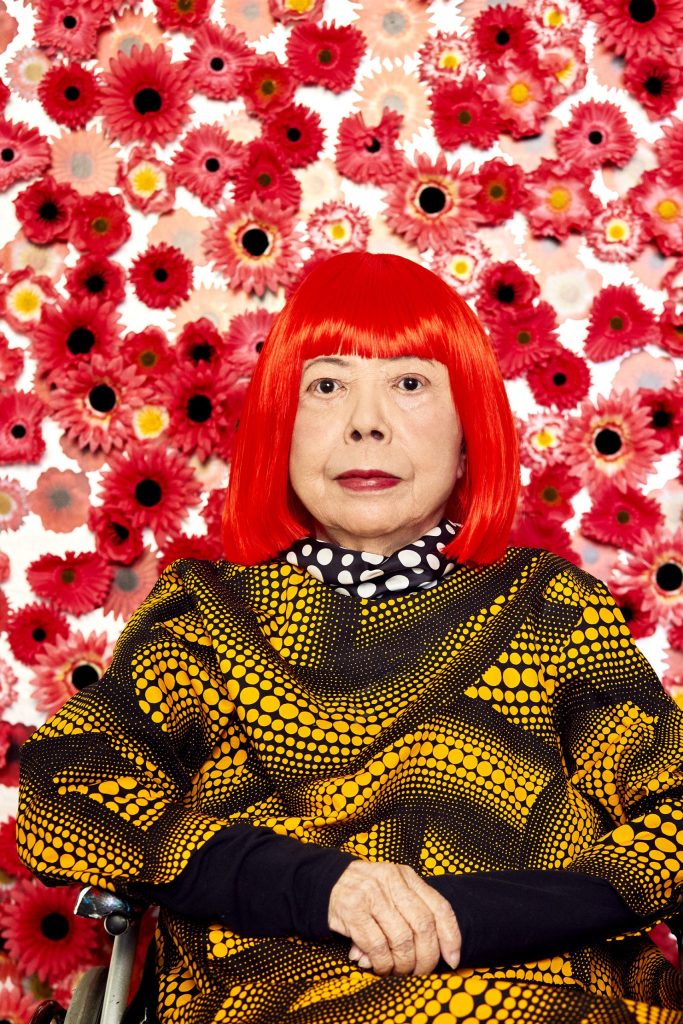
Yayoi Kusama
b. 1929
Yayoi Kusama is a Japanese contemporary artist known primarily for her sculptures and installations, though she has also worked in painting, performance, and fashion. Influenced by abstract impressionism, she became a key figure in the avant-garde and pop art movements, embracing the counterculture of the late 1960s. Her work is recognized for its bold colors, repetitive patterns, and immersive environments. Open about her mental health, she has described art as both an expression of and a way to cope with her psychological struggles.
Images
Featured Image: https://www.hasta-standrews.com/birthdays/2024/3/19/yayoi-kusama-1929-
Frida Kahlo: https://www.atlasgallery.com/artists/frida-kahlo
Georgia O’Keefe: https://www.okeeffemuseum.org/about-georgia-okeeffe/
Yayoi Kusama: https://www.imdb.com/name/nm0476202/mediaviewer/rm2098745344/?ref_=nm_ov_ph