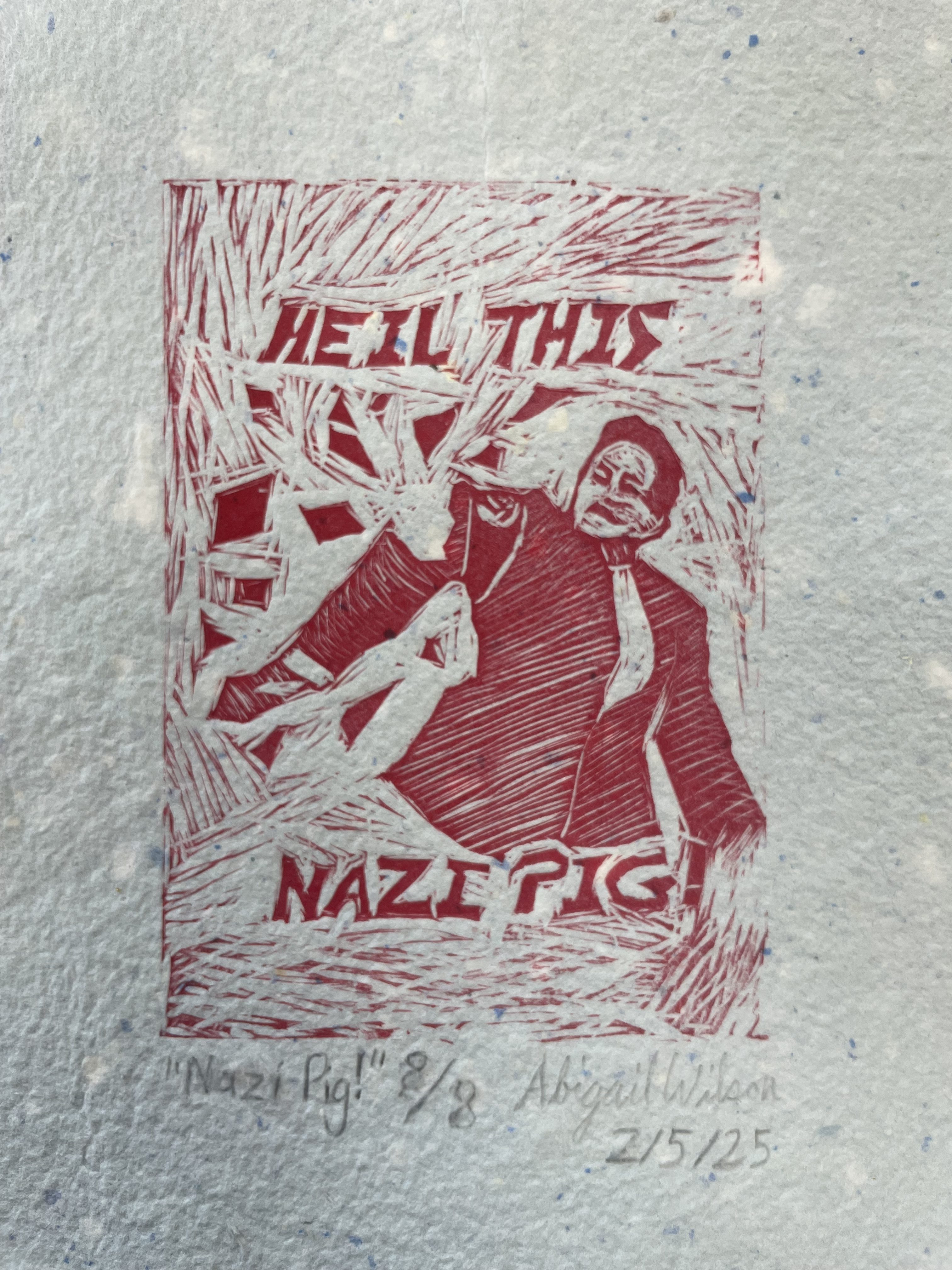
In this era of 24/7 news combined with the lethal speed of the internet, the world feels overwhelming. It’s exhausting just to be alive, let alone follow the goings-on of your fellow man. However, when you don’t follow the news you feel guilty, too. You don’t want to be caught uninformed. Besides, what a privilege it is to not concern yourself with the world around you? A lot of the time I feel this way, this nugget of guilt in the pit of my stomach as I play around with paint and cardboard sculptures that what I’m doing is selfish. The art that I’m making serves no one but myself. When these types of thoughts start cropping up, I’m reminded a lot of an artist I admire.
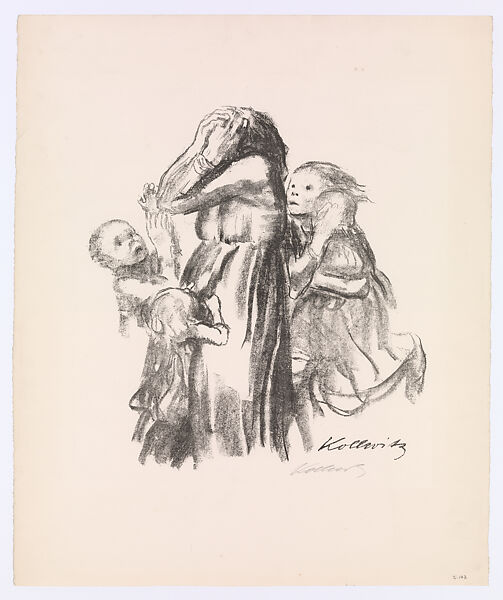
Käthe Kollwitz was a Prussian-born artist who lived through World War I and died at the end of World War II. She worked in a variety of media, originally studying to be a painter before transitioning into printmaking and sculpture. Part of her transition into printmaking is because of its ease of reproduction and distribution. Her husband was a doctor and with her studio attached to his medical practice, she would often draw the patients that would come in. Kollwitz had two sons and her youngest, Peter, volunteered at the start of World War I and died in October of 1914. This artist’s life was largely shaped by loss and devastation, so it is no wonder that she used her art as a tool to spotlight the downtrodden and oppressed.
“I felt that I have no right to withdraw from the responsibility of being an advocate. It is my duty to voice the sufferings of men, the never-ending sufferings heaped mountain-high.”
—Käthe Kollwitz
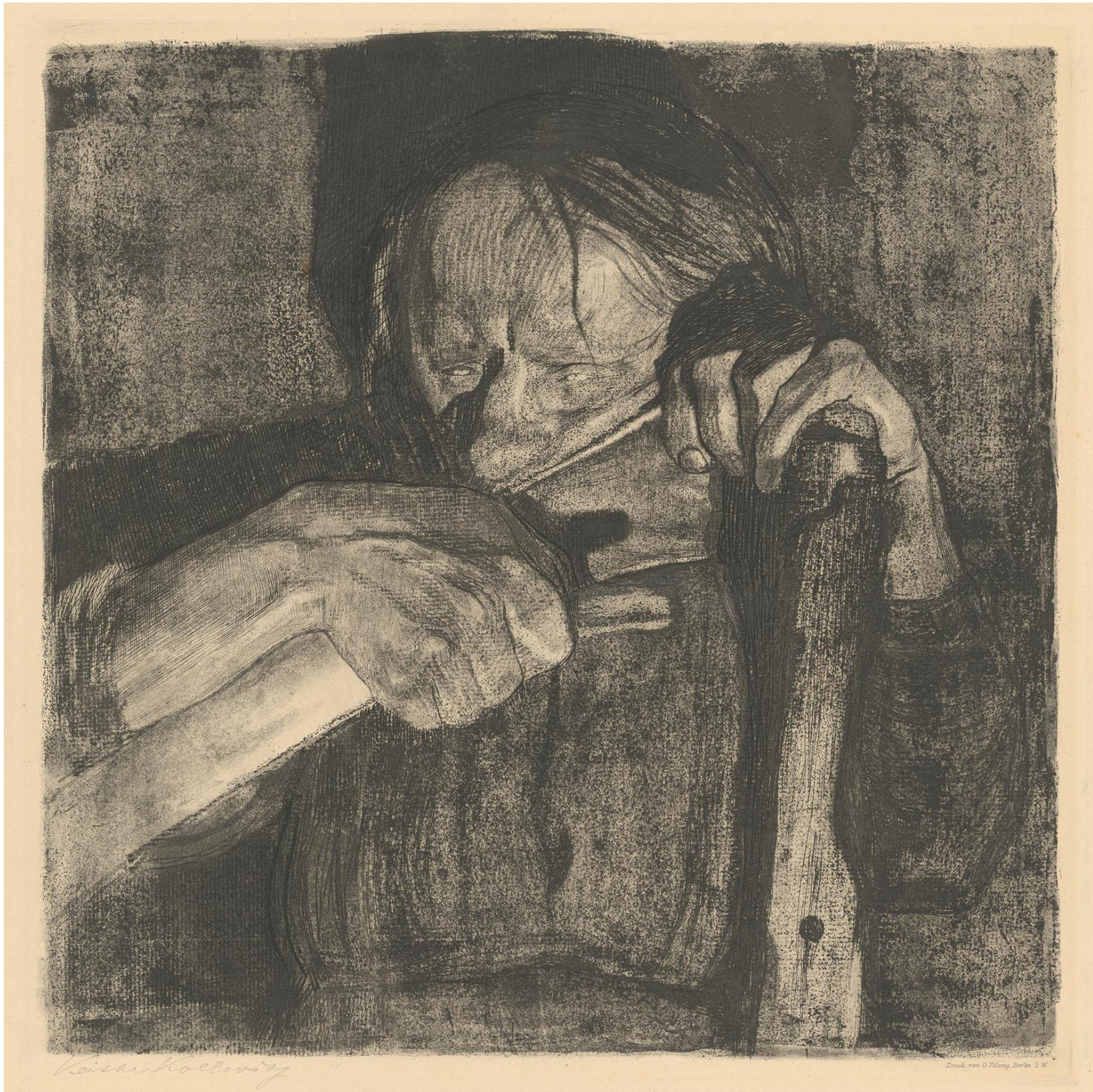
I first learned about Kollwitz in my Women in Art History class and I was particularly stunned at the level of emotion she was able to convey in her works. Devastation is simply not strong enough a word to describe what she wrings out of her viewers. In Kollwitz’s work I see an unrelenting dedication in every hatched line to those that would otherwise have never been paid a passing glance. My favorite work by Kollwitz is Sharpening the Scythe (1908). This print is the third in the Peasants War series and it underwent a lengthy revision process before Kollwitz settled on this final version. An older woman lit from below is sharpening a scythe, her brow drawn and her eyes tight. Her hands are large and strained, weighty with responsibility. The shadow behind her almost looks to be helping her sharpen the scythe. She’s devastated but determined. Readying for the war ahead.
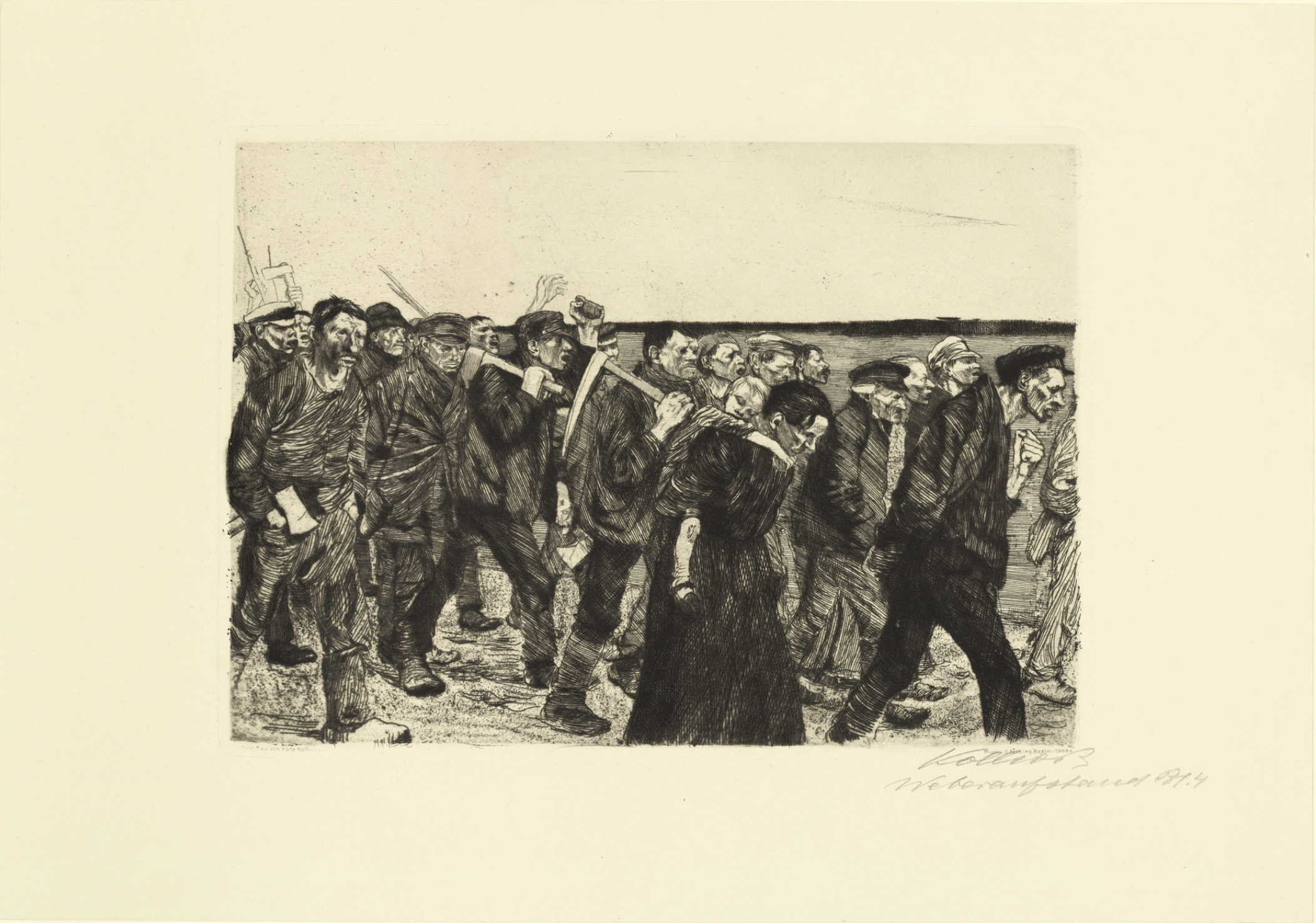
In today’s doom scrolling and ineffectual social posting, I urge people to take a second look at the world around you. Take a look at Kollwitz’s work. Reality is in there. It is the truth you need to combat all the lies and deceit politicians and tech billionaires would force you to swallow with their algorithms. Advocacy starts with you, and thus I tip my cap to Käthe Kollwitz, an inspiration for using my art in advocacy.
Sources:
https://www.moma.org/artists/3201-kathe-kollwitz