Hi everyone! This week in my Etching printmaking class we were introduced to a new type of etching/printmaking for our next project, and that is using solar plates to create an etching! Solar plates are light-sensitive polymer sheets backed with steel that’s used in printmaking as a safer, eco-friendly alternative to traditional etching. It only requires sunlight or UV light and water to develop, which eliminates the need for harmful acids and solvents. By just rinsing away the unexposed polymer with tap water after it is developed will create detailed intaglio or relief prints! There are a few different ways to create images exposed onto the plate, including using photos, drawings or mixed media, or even textures and found objects like actual flowers which I thought was really interesting. For photo etching, you just place a transparent image over the plate and expose it to UV light, which hardens the parts where your image is. If you want to draw or used mixed media, you can sketch on a transparency with markers, ink, or even crayon, then transfer that onto the plate. You can also get really creative with textures by laying things like leaves, fabric, or string directly on the plate during exposure to create cool, detailed impressions.
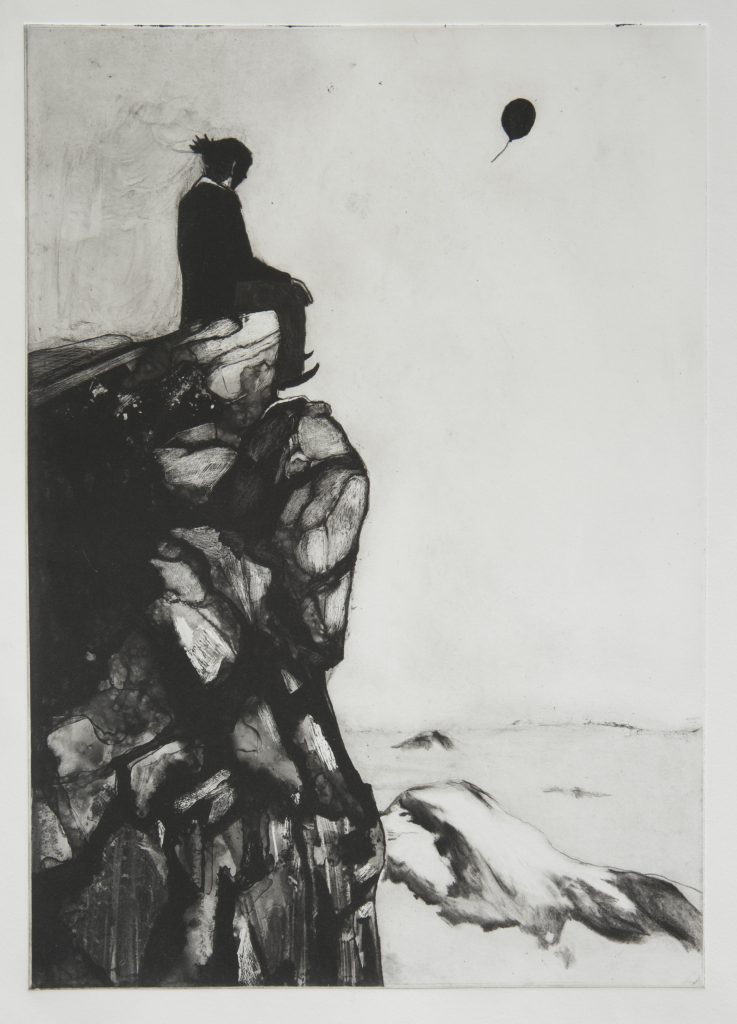
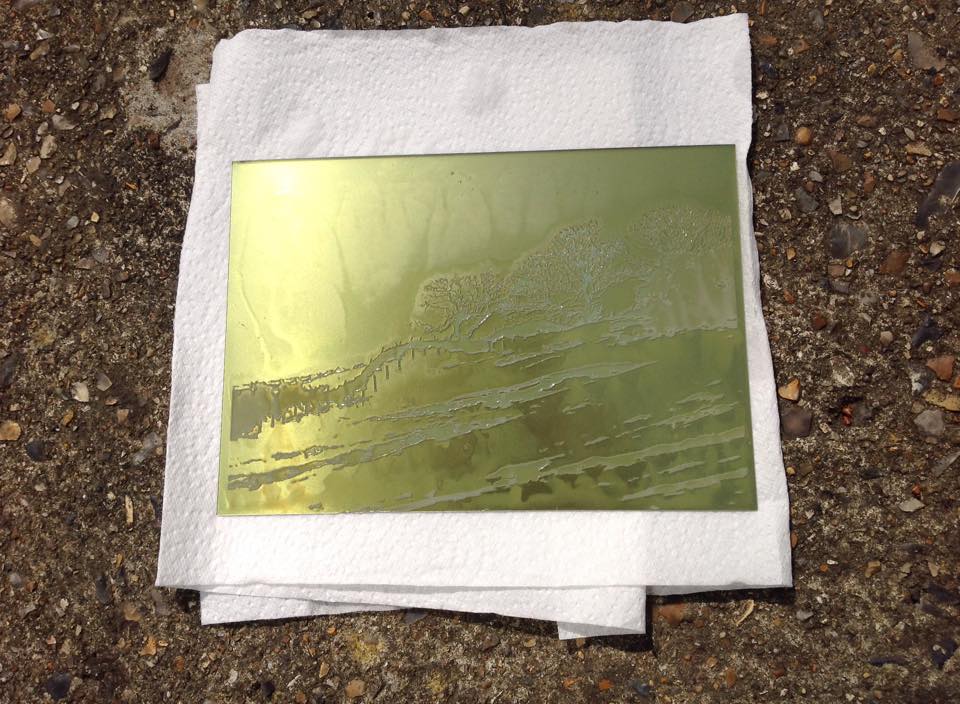
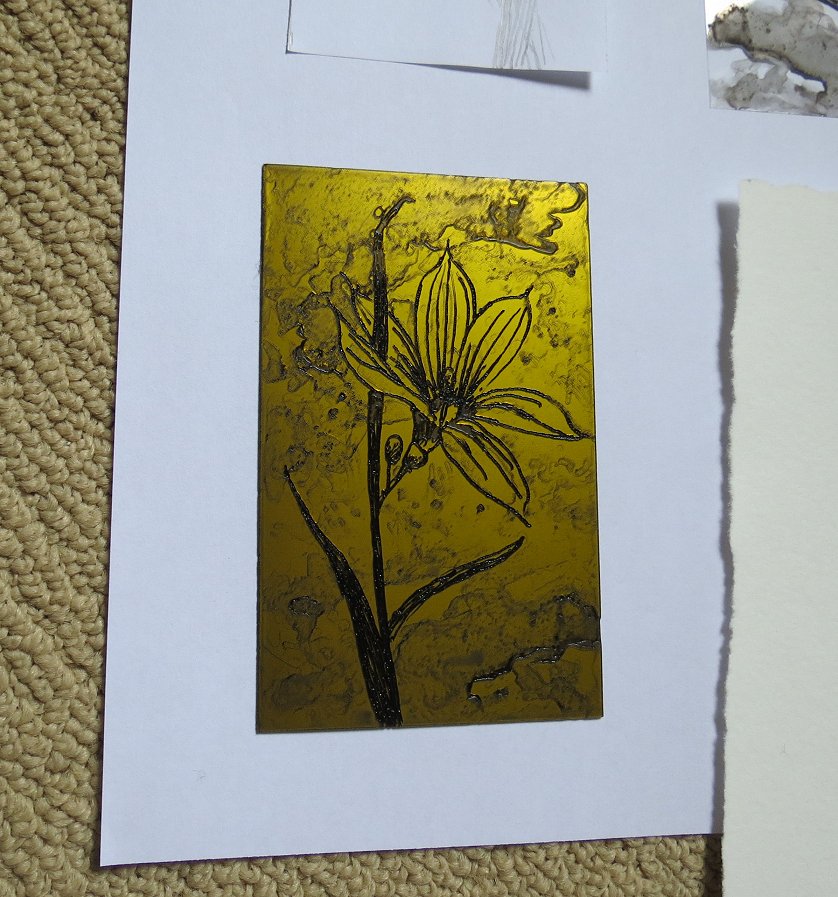
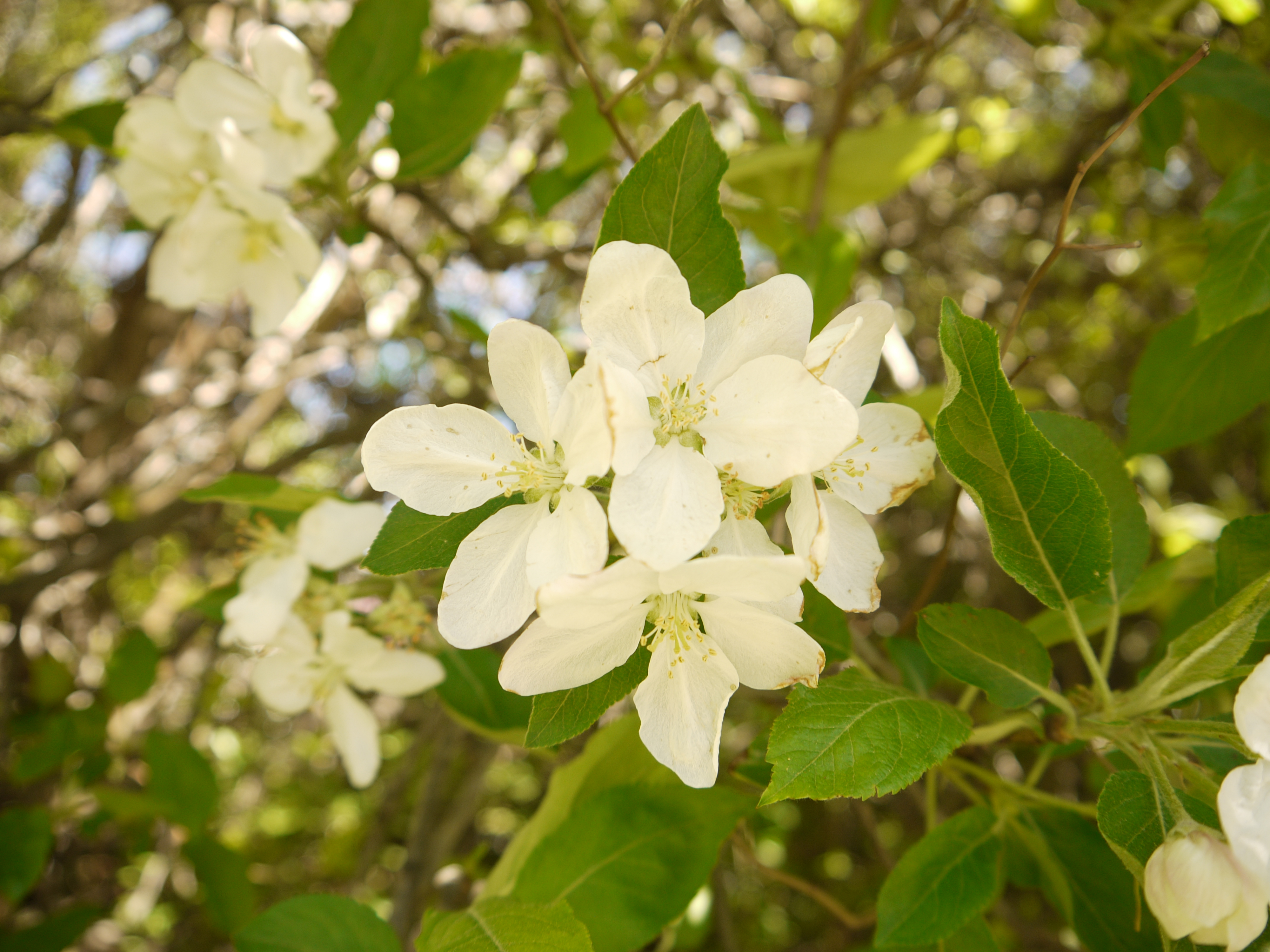
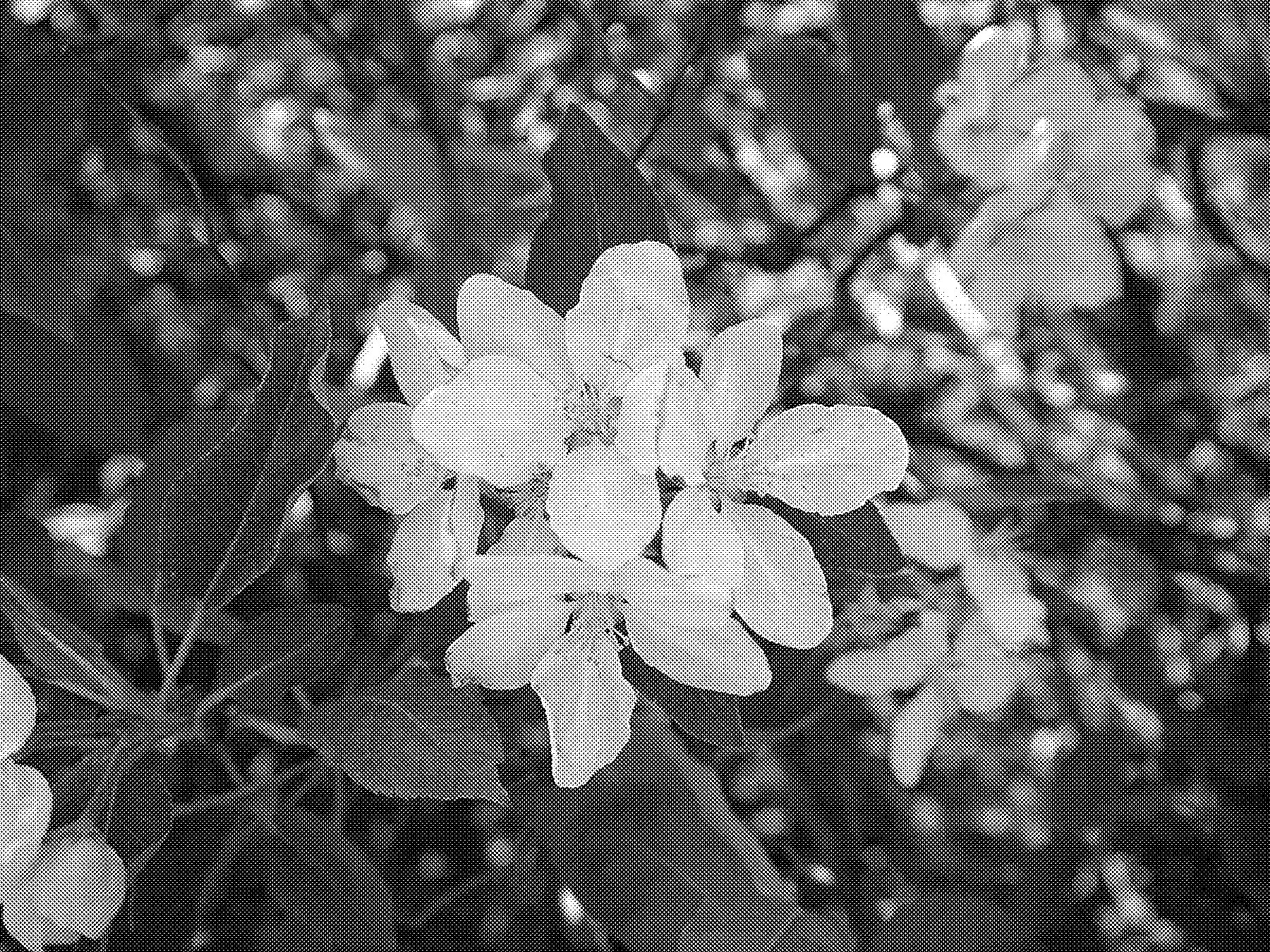
If there were some flowers blooming outside right now, I would’ve definitely went for that approach to created the impressions with the actual flowers. Along with that, if it was a really sunny day, you could expose the plate outside by placing it in the direct sunlight for only a few minutes which I thought was really cool and I’ve never heard of something like this! But since I didn’t have that, I decided to use a photograph I took last spring in my Basic Photography class of some flowers to expose onto my solar plate. As for the process, it was rather simple, I just did some Photoshop work by making the image black and white and converting it to half tones (the little dots that make up images), and printed it out onto transparency paper the size of the plate. Then we exposed it in the big light machine in the printmaking room for about a minute and a half, and then after that I spent about 10 minutes rinsing off the unexposed polymer with tap water. I could slightly see the image starting to develop, but now it has to harden, so I left it in the window by the sun until next class. Since that’s as far as I got right now, I will have updates in my next blog post about how it prints, but here are some other examples of solar plates and etchings!
And here is the image I chose to expose onto my plate, the original and half tone version!
Can’t wait to see how it’s going to come out! Thanks for reading!
Ella