Hello there, and welcome back! My name is Marissa Nowak and I have the honor of being the new art history blogger! I can’t wait to share the many fascinating things of art history, so let’s jump right in. Art history is such an important aspect of art because it is what many artists of today use for inspiration on subject matter, style, and technique. Unfortunately, many miss out on some very special artists in history because they are what I like to call the “hidden figures” of art. This is because they are female artists. So, today, I would like to share with you three of my favorite female artists in history that I think are especially interesting.
Georgia O’Keeffe (1887-1986)
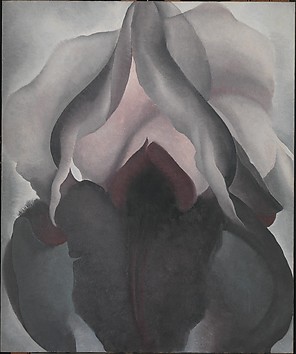
I was introduced to Georgia O’Keeffe in my senior year of high school and fell in love with her work. She truly has an original style and always stayed true to it even through changing trends. She used shape, color, light, and shadow to create nature-inspired images. She used inspiration from real experiences and things she saw in areas where she lived to create her paintings. Her flowers and desert landscapes are timeless and beautiful. An example of this is her painting “Black Iris,” which is pictured below. Her paintings show calm and comfort, which reflects O’Keeffe’s constant search for solace away from the public eye. Her career came to an end as her eyesight deteriorated later in her life since she always painted from life and by losing some of her sight, she was unable to continue. She is such an important female artist in history and one of my personal favorites to learn about.
Augusta Savage (1892-1962)
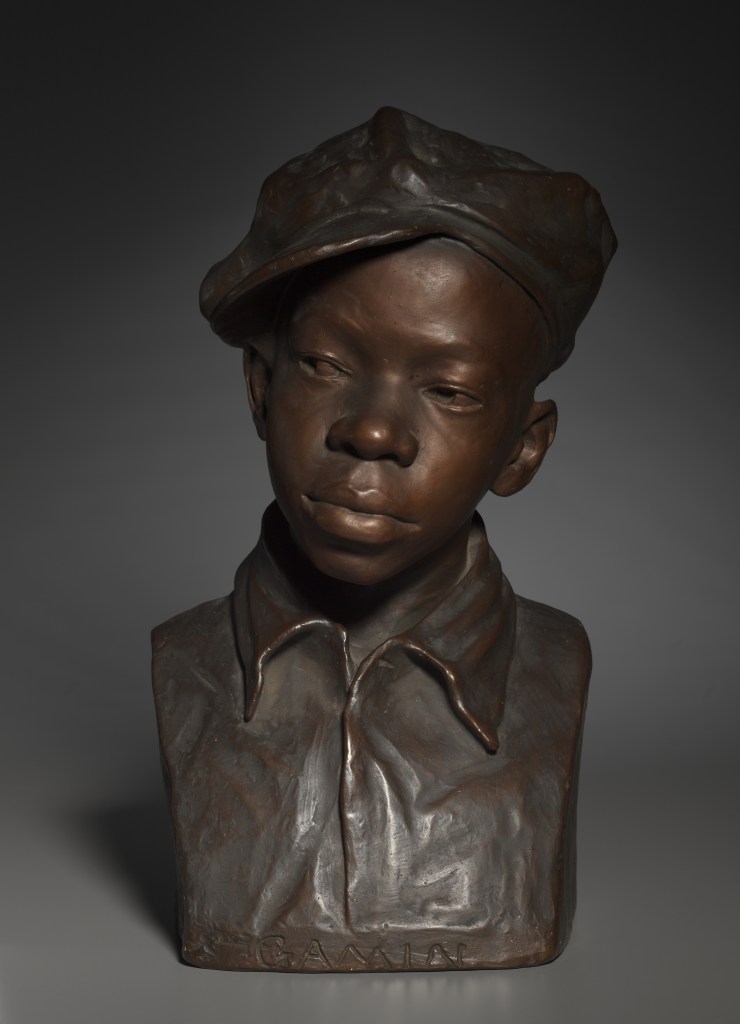
I learned about Augusta Savage during a Black History Month project, and I was so impressed by her. She overcame many obstacles in her life, like racism and poverty, and became a famously influential sculptor. She was a significant figure in the Harlem Renaissance and showed African American culture through her art to help lead social change. Her sculptures are equally beautiful and emotionally moving. At first glance, they may seem like a regular sculpture, but as you look longer, you can see the emotion in their eyes and feel what Savage wants to express which I feel is relevant to “Gamin” (seen below). Augusta Savage had such a talent for relating a message through art, and that is why I feel she is a very important artist in our history.
Marisol Escobar (1930-2016)
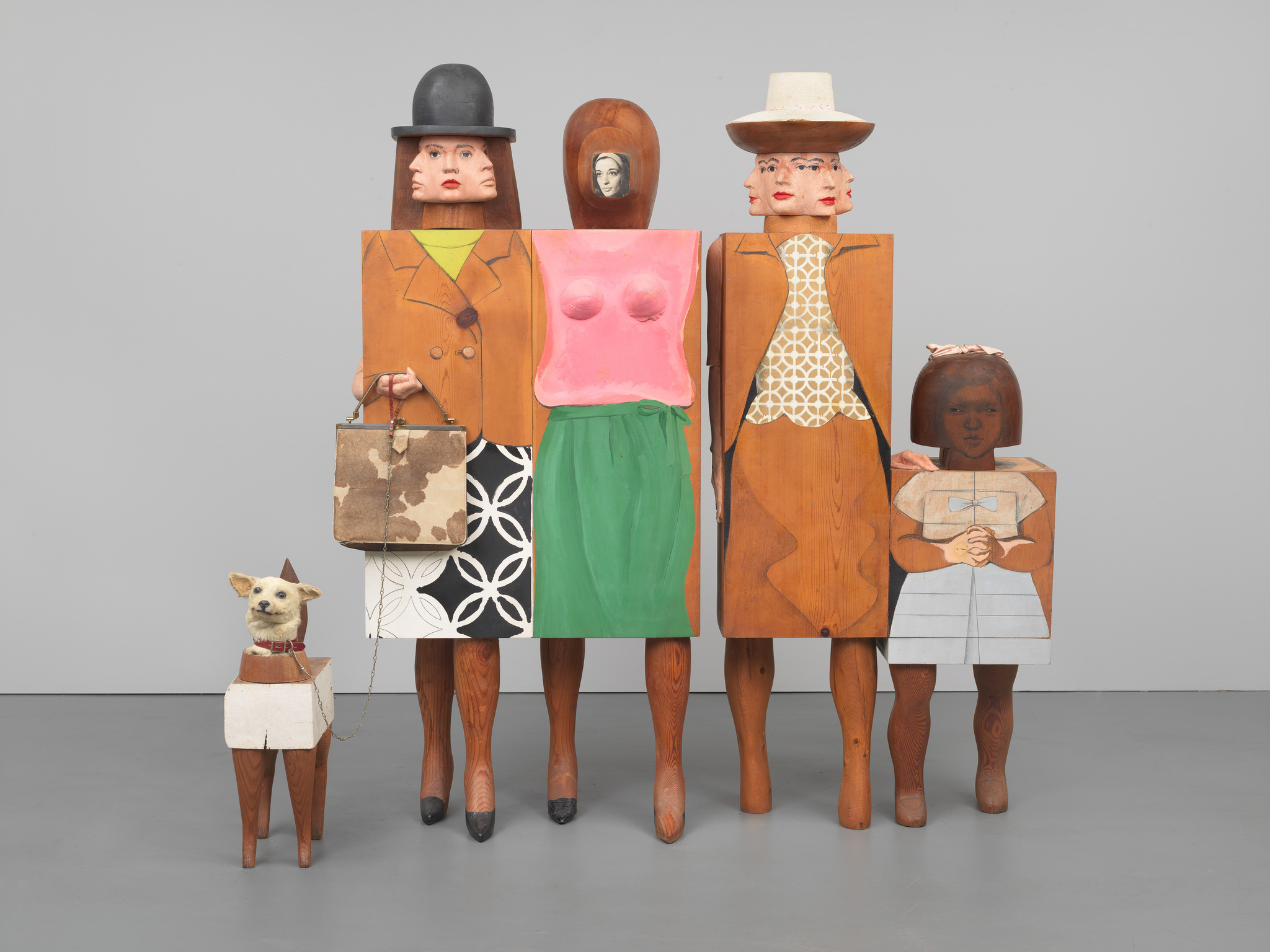
I had learned about Marisol Escobar in my Art in the Modern Era class last semester, and I enjoyed learning about and looking at her work. She is known for her life-sized wood sculptures that often depicted parts of her own body through the use of casts and painted imagery, which you can see in the image of “Woman and Dog”. She would often use herself as her muse as a way to better understand herself, and this is seen throughout most of her pieces. It is through this that she was able to understand the societal changes that were existing in her life and reflect that in her work. Escobar is associated with the pop art movement but her art is so unique that she doesn’t really fall into any one area. It is because of this that she is often overlooked despite being quite popular during her time.
I hope you enjoyed learning about these female artists, and hopefully, this inspired you to look further into the female figures in history! See you next time!
-Marissa