Hello everyone and welcome back! I’ve been in a big ceramics mood lately so I wanted to incorporate it into this week’s post! There are so many interesting things about ceramics history, but today I wanted to focus on a glazing technique.
There are so many different ways to glaze ceramic pieces but this one I found very interesting. I learned about it in my art history course this past semester and thought it was really beautiful. I also found the backstory really interesting so I think it will be a good topic for today!
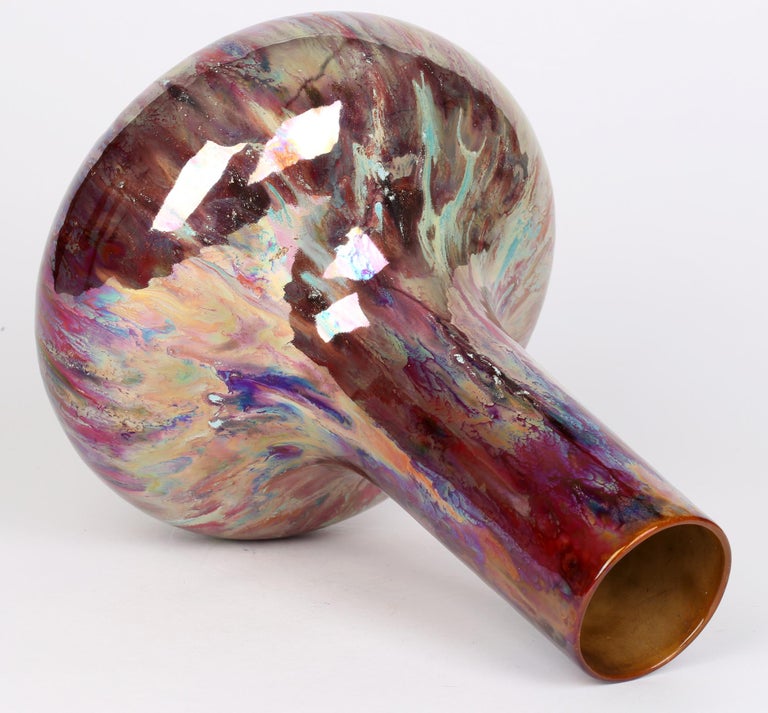
During the Art Nouveau movement artists discovered a way to create high luster and iridescent glazes that were never used before. It was discovered at an excavation site that glass buried in soil high in metal oxide over a long period of time naturally formed an unusual shiny surface. This inspired craftsman to recreate it.
Artists experimented with exposing pieces to different metal oxides to recreate the luster they wanted. Over time they created many shiny and iridescent pieces. Today metal oxide glazes are layered over already glazed and fired pieces by spraying or brushing it on and then fired again at a low temperature. This makes the metallic compounds form the thin reflective layer that is desired.
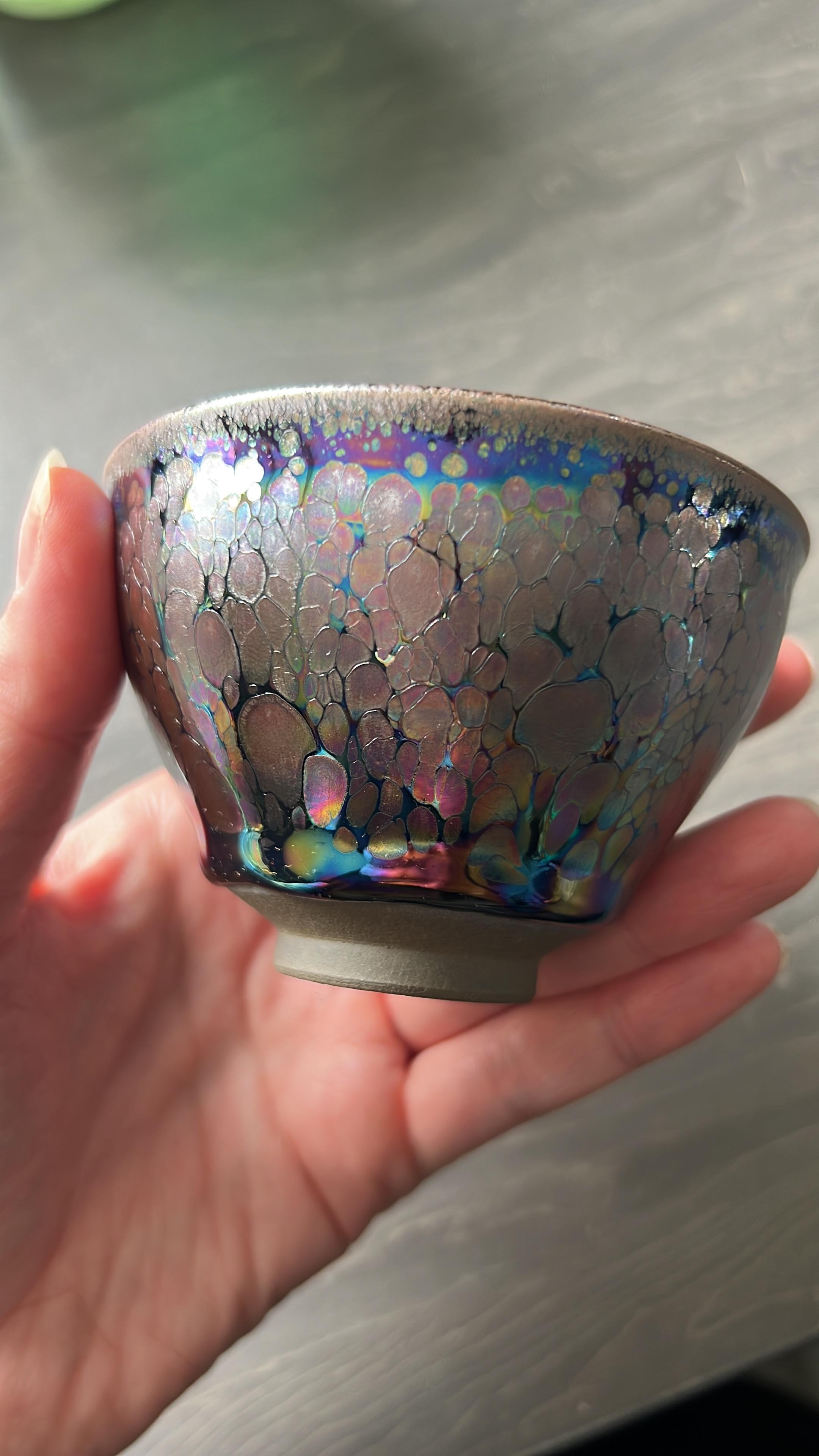
I really enjoyed learning about this process because it’s such a unique way to create a glaze. By taking the same conditions as the glass that was found and applying it to ceramics they were able to recreate the end result and use it to make art. I also love thinking about where people draw inspiration from and how amazing it is that just an ancient piece of glass could inspire so many artists. Just another reason to appreciate art history as it brings about inspiration for many artists!
I hope you enjoyed today’s post as much as I did! Thank you!
~ Marissa