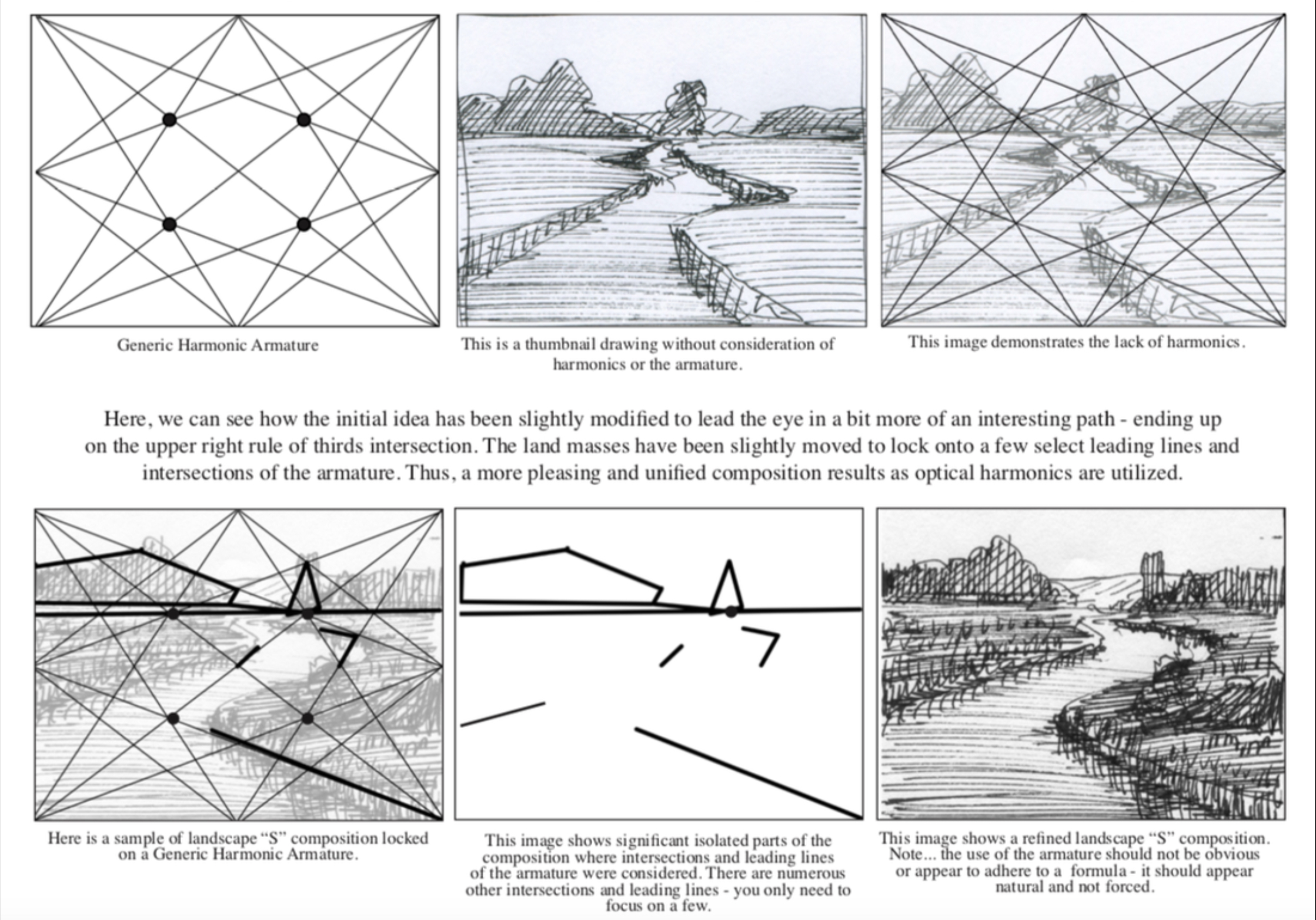
There’s a term that comes up often in my art history classes— “visual music.” While it can most certainly mean the literal, a drawing of musicians playing music, it also, “refers to the creation of a visual analogue to musical form by adapting musical structures for visual composition” (Wikipedia). In laymen terms, it is a transcribing of mediums. This is made possible because both art and music is based around math. In art, this math can be seen through use of the armature, a skeleton in which artists base their compositions. The two most used armatures is the 14-line armature and the Golden Ratio.
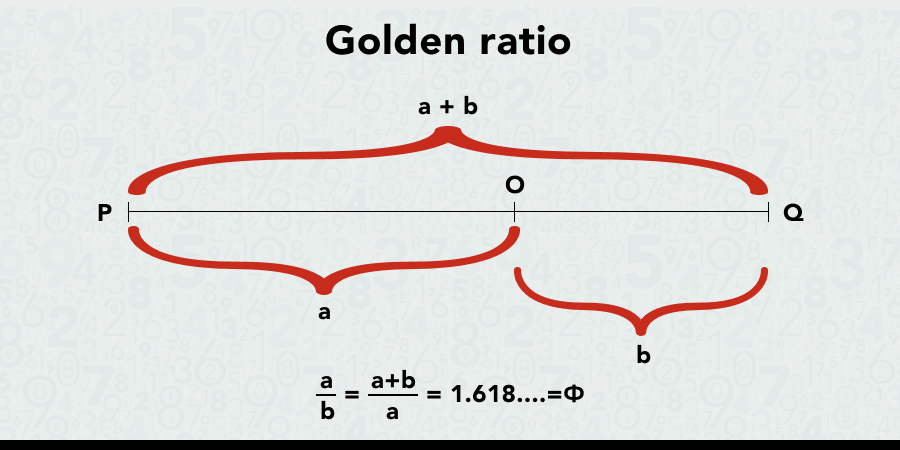
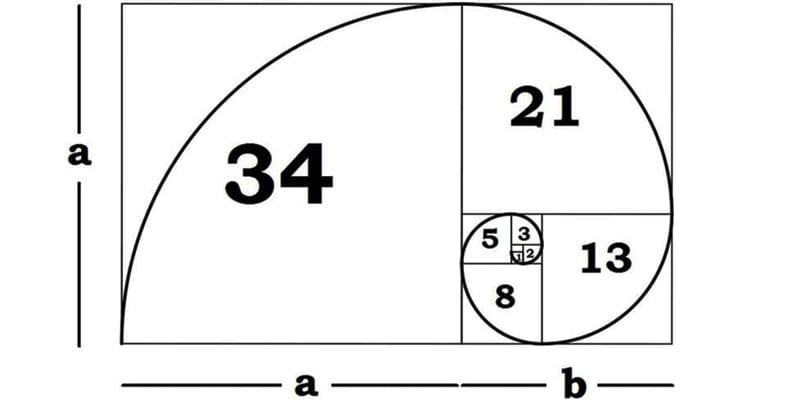
The 14-line armature can be used on any size canvas. Where the lines cross most, the four quadrants within a larger diamond shape, are the areas that are most pleasing to put the elements of your composition. The golden ratio is the more complex of the two. The Golden ratio, which is approximately 1.618, is a mathematical concept where a line is divided so that the ratio of the longer segment to the shorter segment equals the ratio of the whole line to the longer segment. If that sounds confusing, it’s because it is. Just know that it’s a series of subdivisions based on a 1 to 1.6 ratio (ex. 10 inches by 16 inch canvas). This proportion is found throughout nature and thus aesthetically pleasing. It was first discovered by Leonardo Da Pisa (also known as Fibonacci).

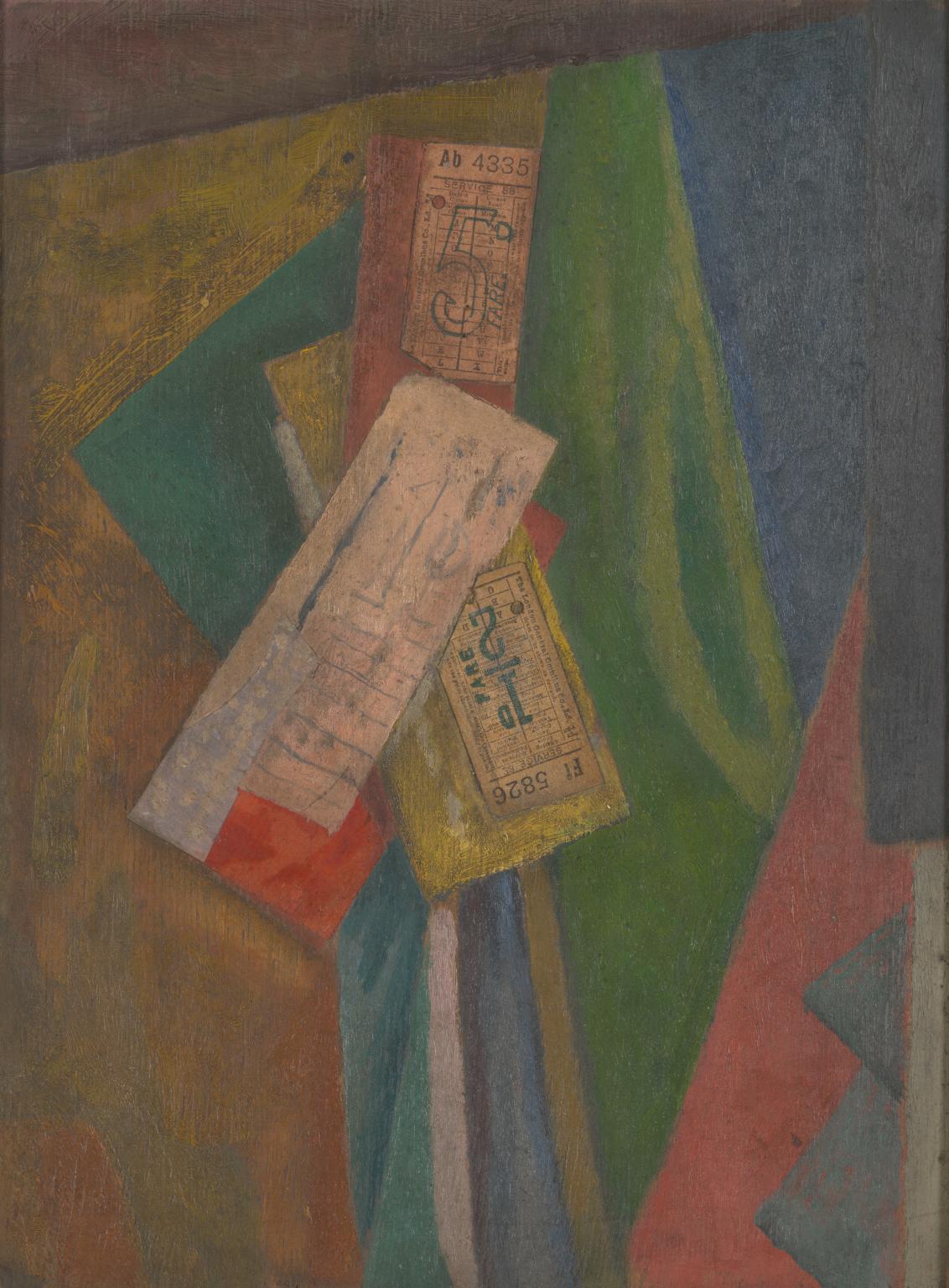
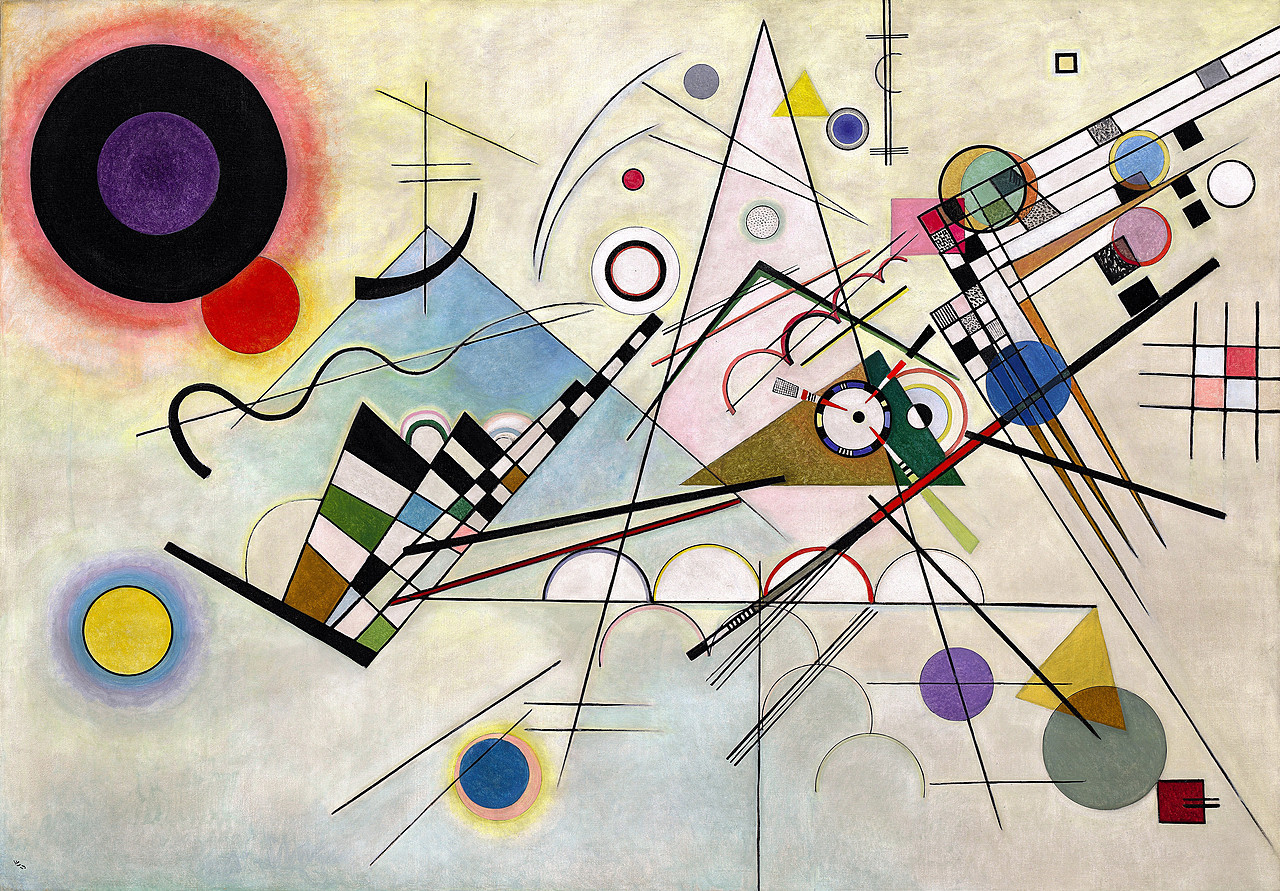
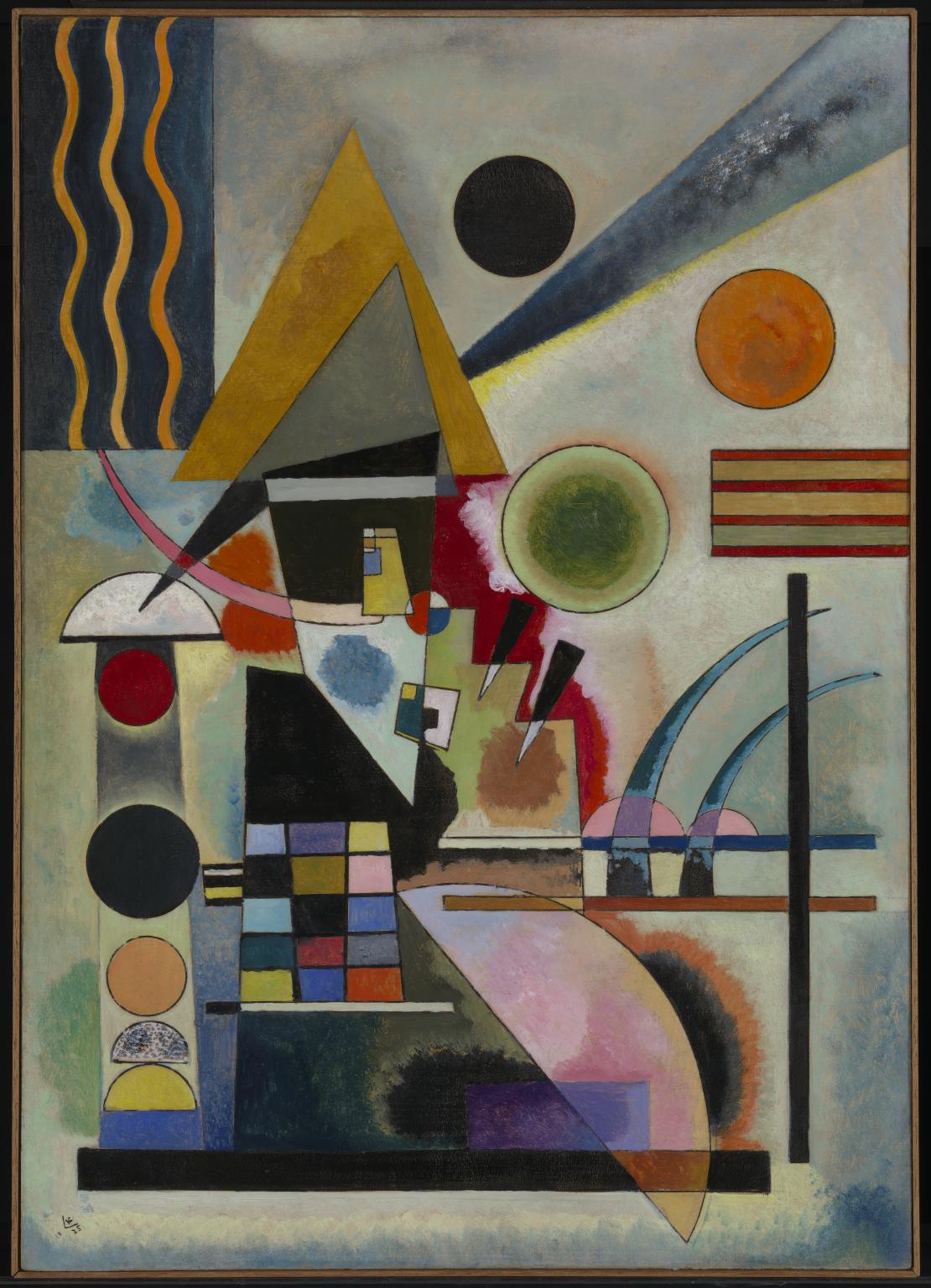
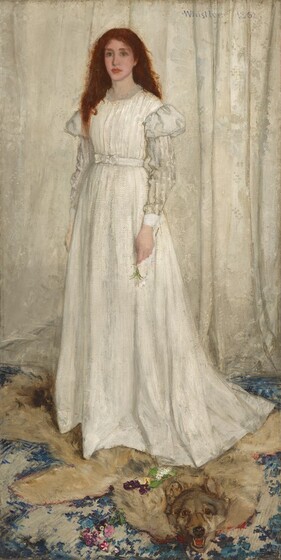
All art to some extent engages in this visual music but those that took special interest in this transposing of medium are Roger Fry, Wassily Kandinsky, and James McNeill Whistler. It was actually Roger Fry who first used the term “visual music” to describe Kandinsky’s work.