In the wide realm of photography (and in the art world in general), having your own distinct style is important when it comes to promoting your artwork to find your own audience. As mentioned in my previous article, Photographing landscapes, Ansel Adams was notoriously known for his landscape photography. His own style consisted of his black and white images that highlighted his understanding of exposure during production and post production, as well as the beautiful compositions he captured. One of my personal favorite photographers who has his own unique cinematic style is Gregory Crewdson. I was first introduced and drawn to this photographer during my Color Photography class with Prof Sue Jenkins. Before this type of photography became as popular as it is now, Crewdson put on large scale, elaborate sets for his series of images, combined with cinematic lighting techniques to create the aesthetic he’s known for.
While Crewdson’s style is far from what I typically do, I had given myself a challenge to attempt making a more conceptual photograph. I struggle with finding my own style, especially with changing subjects and experimenting with different types of photography, but I also remind myself that it’s okay to not have found this just yet.
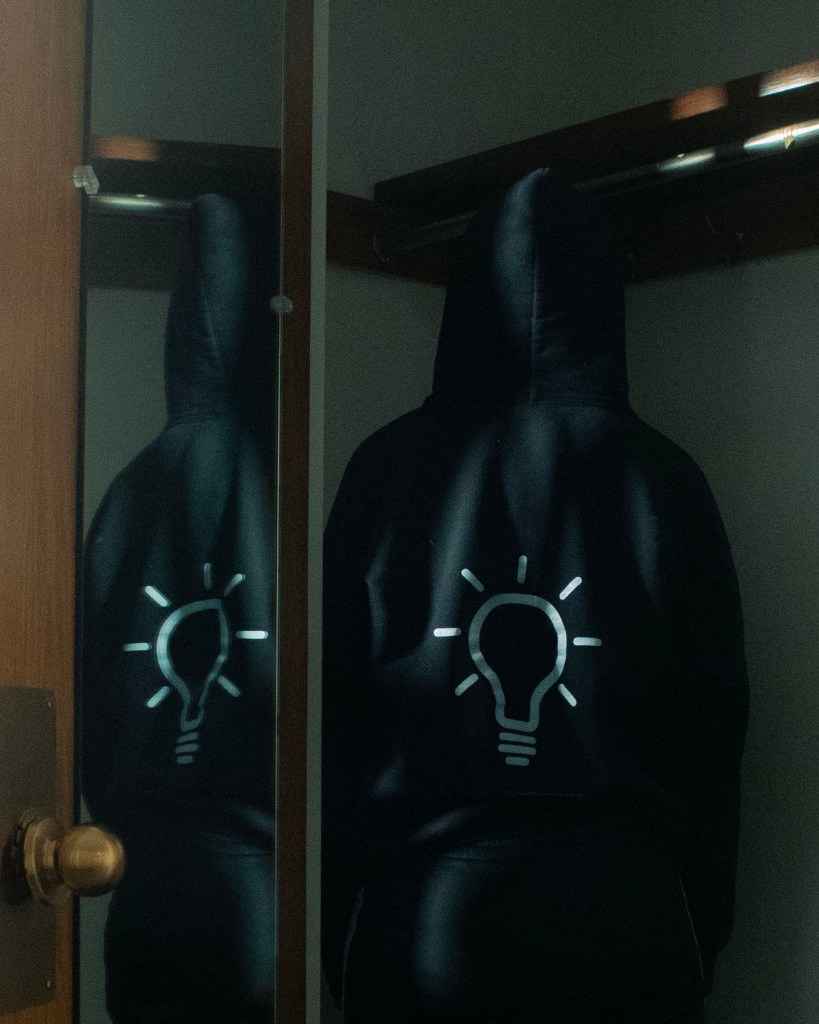
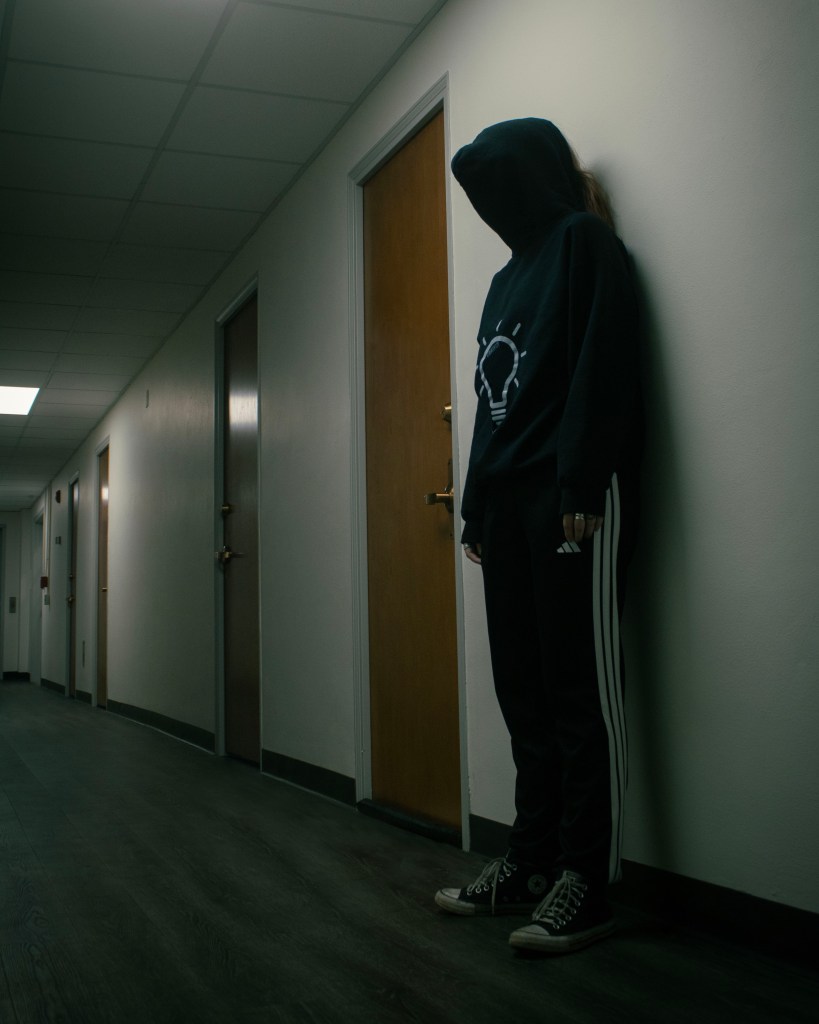
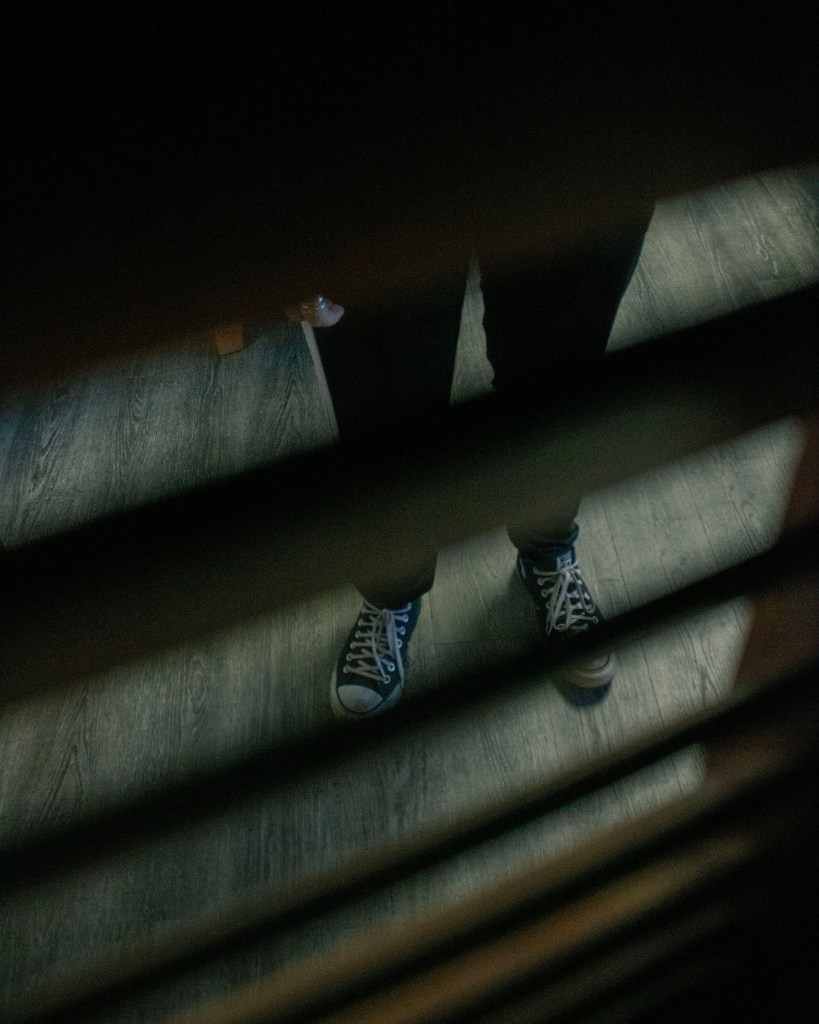
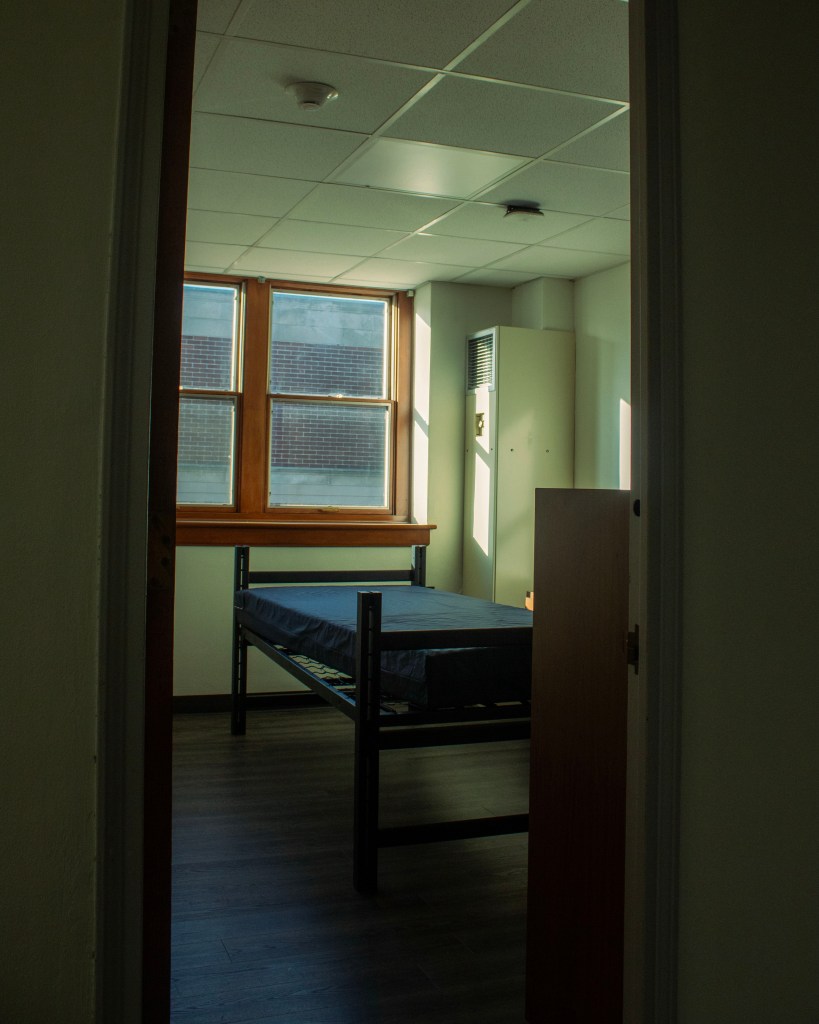
With this in mind, the images below consist of a fellow blogger for Arts Administration, Ana Fiedler, posed around my desolate dorm hall right before a school break. I wanted to capture the lingering thoughts a person can carry with them and wanted to utilize the lighting that occurred in the evening sunsets or hall lights. To add onto the eerie mood, I darkened the black and added a green tint to draw any additional warmth the sun was creating to focus on the dramatic lighting. This series was named Our Hidden Thoughts and Our Hidden Secrets… .
During my many experiments throughout the course of my photography career, I have yet to find *the* style/aesthetic for me. Despite this, a few things I have taken notice of depending on the subject is how I would later edit my photos. For instance, my nature macro photos I would keep the colors relatively natural and enhance the main subjects’ vibrancy. In contrast to this, whenever I take photos of motorcycles I would enhance the colors whilst incorporating some colorgrading to compliment the existing hues.
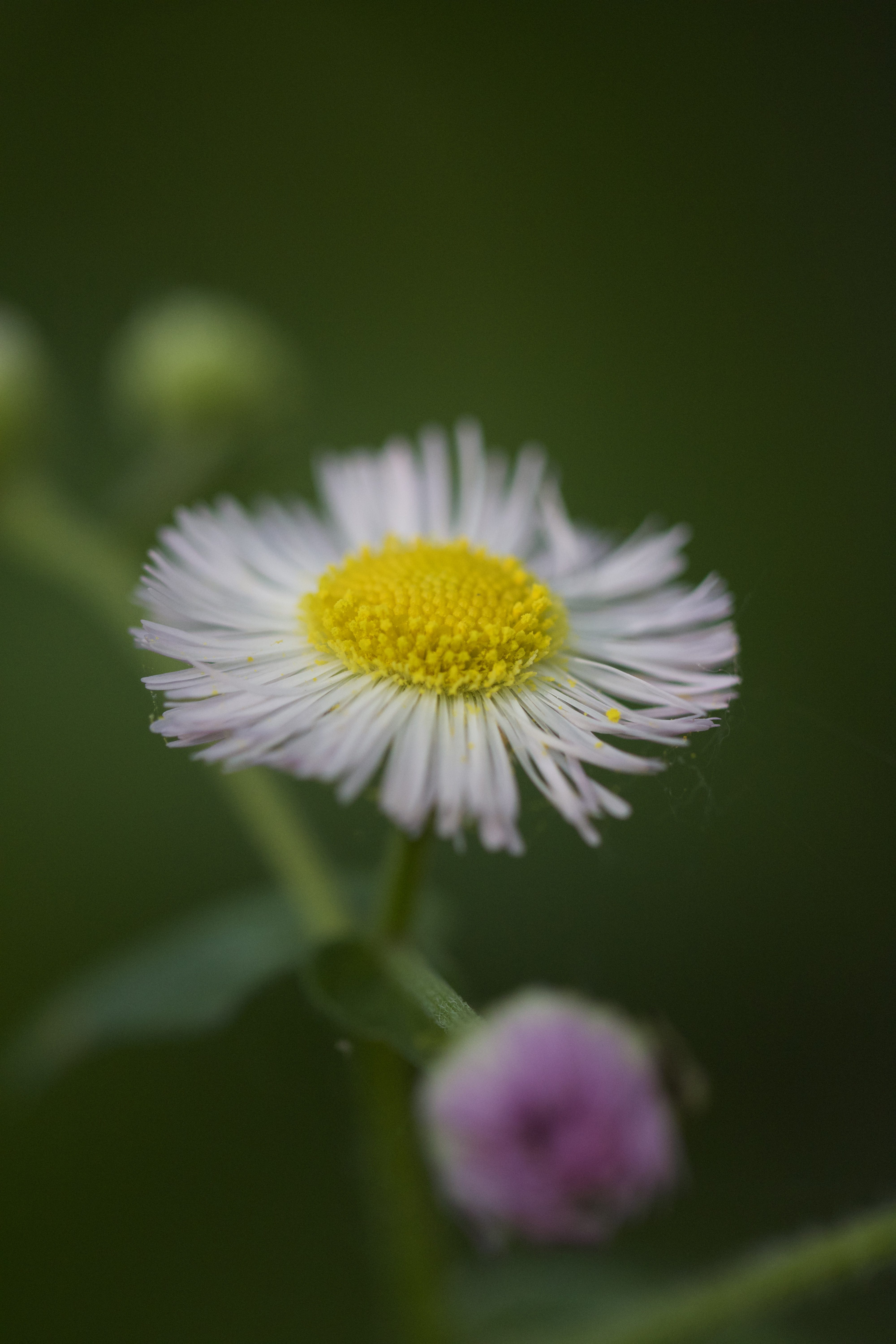
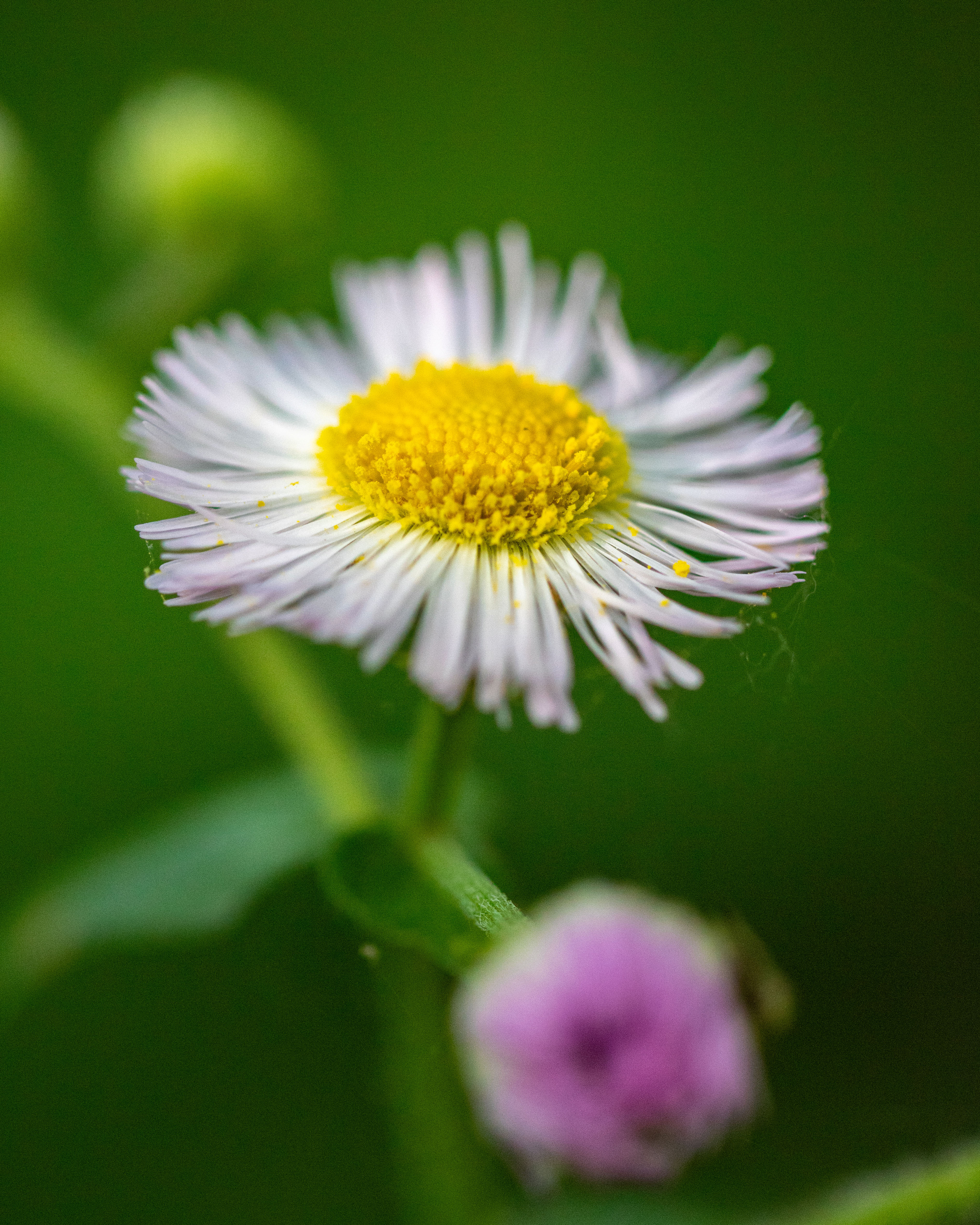
On the left is the unedited raw version of this macro photo I took and on the right is the after image of editing and brightening everything up. This macro was captured during the Spring of 2025 during a small exploration around my sister’s college campus. I didn’t want to heavily edit the colors so I don’t distort any of the natural properties of flower, but to highlight their small qualities.
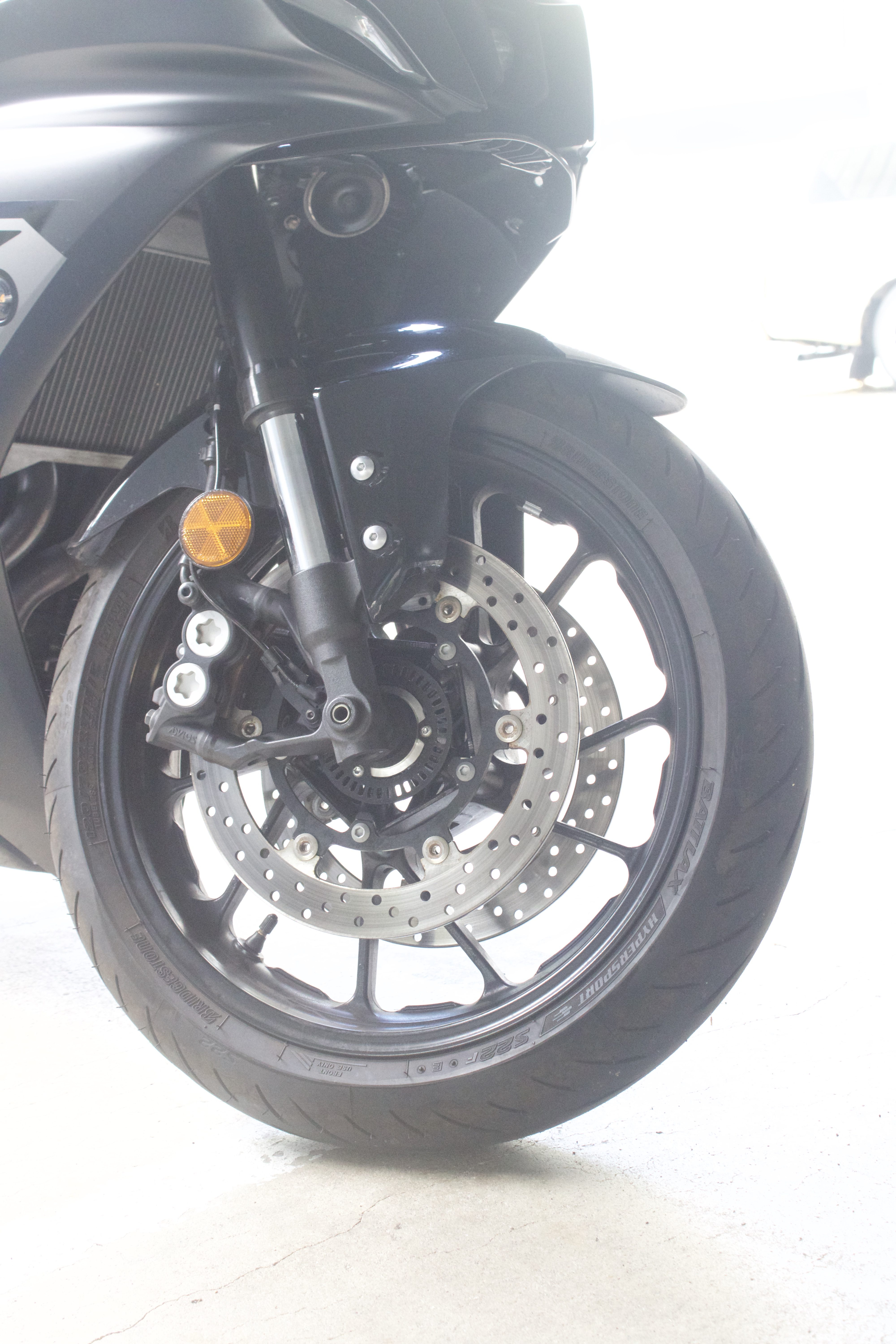
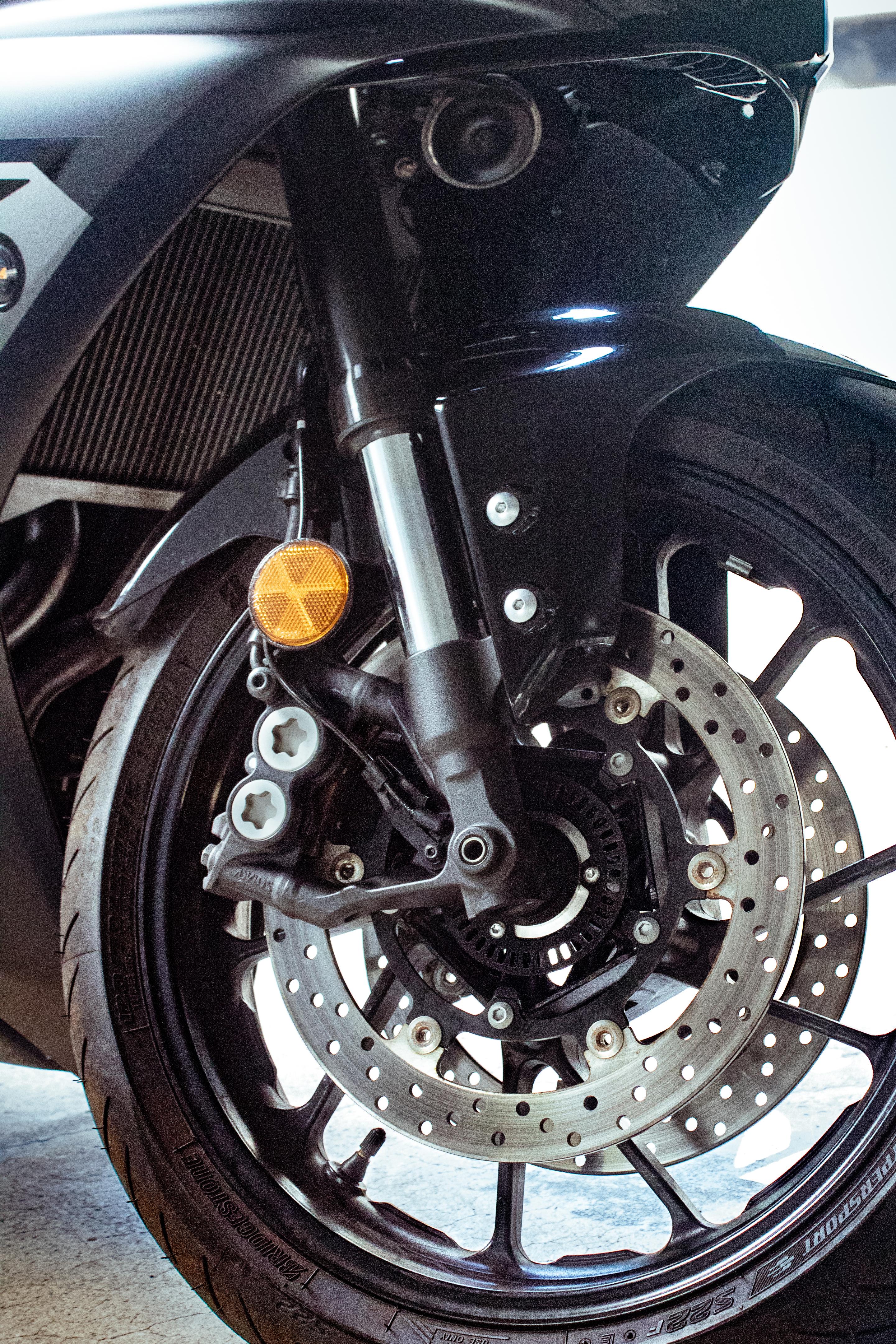
Another example of a raw photo (left photo) compared to a fully finished edit (right photo) of this R7, with a rough back-lit situation in a garage. I had to crop to remove any negative space, dehazed + lowered the exposure, darkened any remaining blacks whilst highlighting the shadowed areas like the radiator and the calipers, and lastly added a red/teal complimentary-color grading to the highlights/shadows.
As I have stated earlier, not having your own style yet is a-okay. I will always promote being open to experimenting/dabbling with different types of photography because it’s important to be a well rounded photographer, but it’s also important to find your distinct style to stand out and create your own photo brand. I’m slowly but surely getting there and I applaud/admire photographers who have found their style early on so they can refine their own craft. It’s all a process and taking your own time to create something beautiful and meaningful to you and your own audience is what’s important at the end of the day. I hope everyone has had a wonderful summer and can not wait to get back on campus and learn a whole bunch more. Bye!
~Conchita (@conchita.creates on Instagram/Tiktok :))