For this week’s blog post, I thought I would teach a bit about the history of photography. When photography started in the late 1800s it was a controversial art form because there were debates about whether it was an art form or science. Before digital cameras, people used an artistic form of science to create a photo.
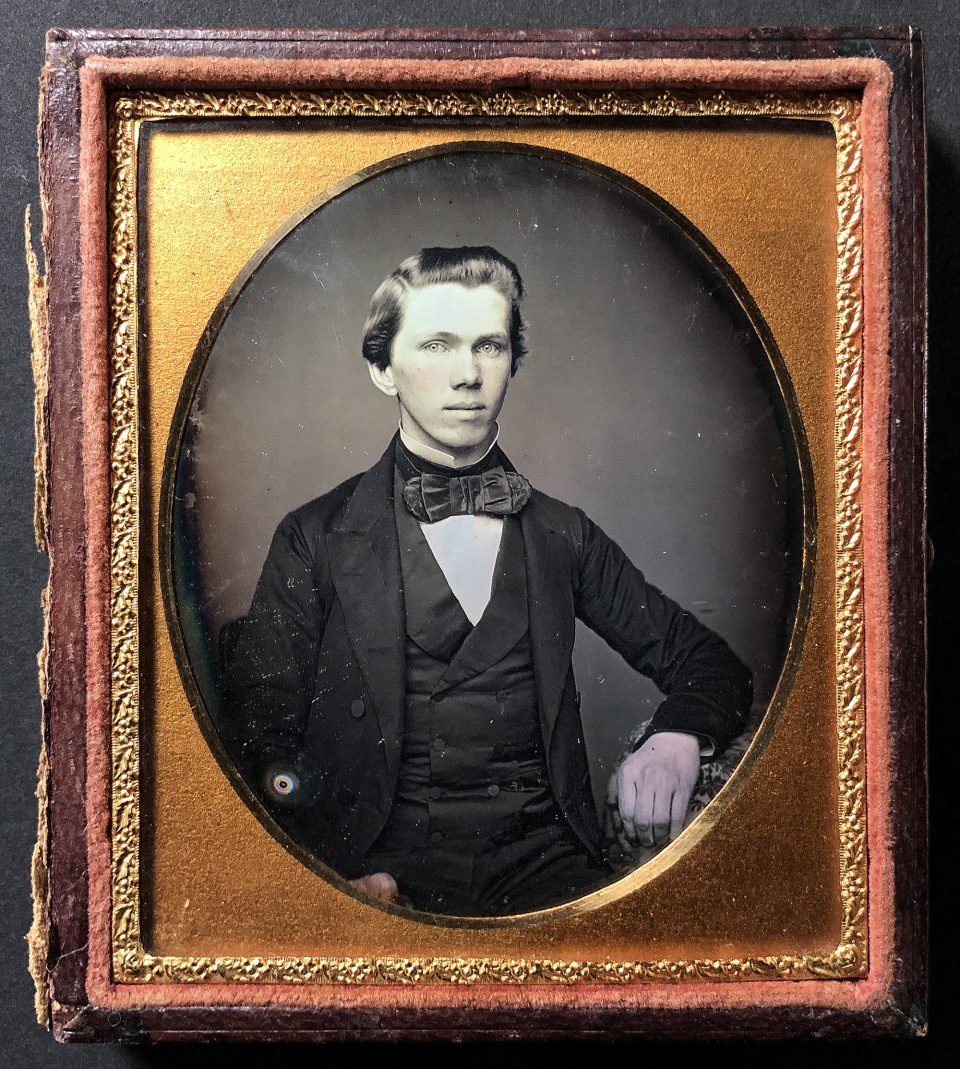
Daguerreotype
A Daguerreotype was one of the earliest forms of photography, invented by Louis Daguerre. Before daguerreotypes, Joseph Niecephore Niepce invented a light sensitive surface. These photos would take 8 hours and would turn black when exposed to light. To make the process a little quicker, Louis Daguerre invented the Daguerreotype which would reduce the exposure time, but would only make one photo. The process of a daguerreotype starts with a copper plate with a thin coat of silver. It is then transferred in a box in iodine to create a yellow color, then it is placed in a light proof camera. After the photo is taken the plate is developed in a darkroom over a pan of heated mercury.
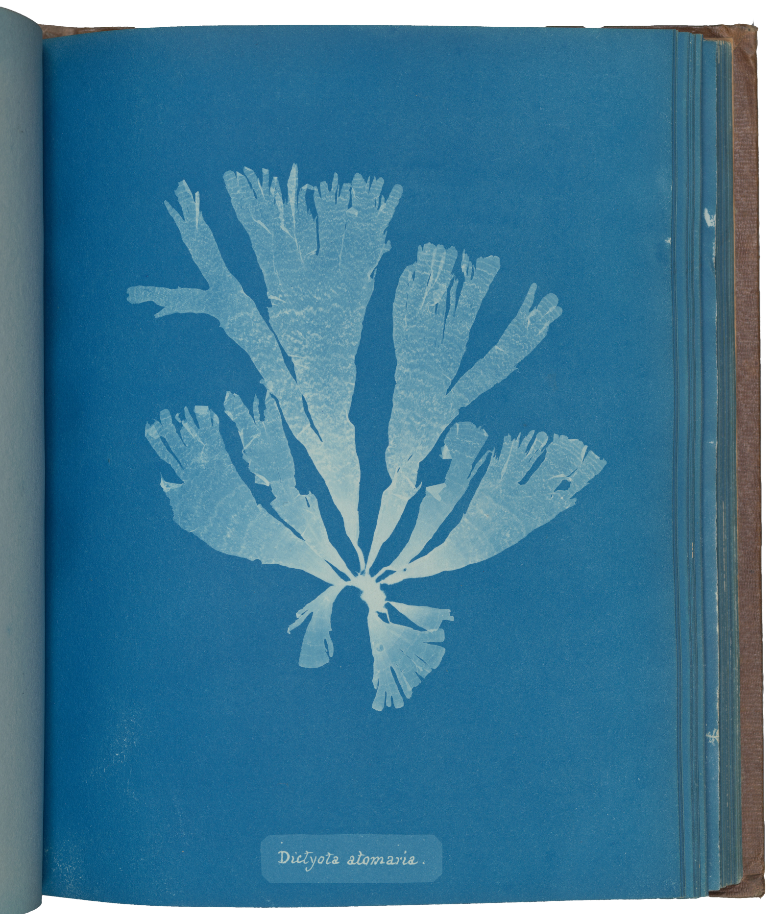
Cyanotype
Another method of photography is the cyanotype, which is a mixture of UV sensitive compounds coated on a plain piece of paper or other substrate. This method of image making was found by Anna Atkins who was studying in botany. To develop a cyanotype you expose it to the sunlight to make a print. When Atkins first made the cyanotypes, they were not originally made to be artwork and were made to be scientific illustrations. Another reason why it wasn’t seen as an art form was because women during this time were seen as “amateurs” and not real artists.
There is so much more history behind photography but I wanted to highlight my favorite two methods. Photography only started around the 19th century which is pretty young compared to art history in general, which can predate from prehistoric times. It’s always so fascinating to see what the process of photography used to be.
Instagram (@antoniasummaphotography)