As a an artist who’s main focus is Sculpture, the cost of materials can add up quickly. I have learned throughout my time at Marywood that some of the materials are provided to us which is very nice. The basic tools are provided to us such as some clay, some scrap wood and glass as well as the needed high power tools such as saws, a sandblaster, and a Dremel drill. Besides the basics that are provided, however, most of the materials purchases falls on us as the student artist, since we’re the ones who know what we need and desire to create.

When coming to college, I was aware that I would need to purchase materials but I was unaware to what extent and I think it is an important topic to talk about. When first starting at Marywood my first classes were painting and drawing classes which Professor Parker does a great job in creating the supplies list right in the BLICK store and at the cheapest cost so my first couple of semesters I did not really see the impact of the cost. Yes, the cost of paints and high quality canvases do add up but when it was not my medium of choice I do not have the knowledge to share the costs.
Where I really saw my need for a larger budget for supplies was taking my 3D art class. We did a total of 6 projects over the semesters and I can roughly say I spent around $500 in supplies and only about half of the supplies that I purchased were actually used. Although this might not be the case for some individuals, it was the case for me because I bought all the materials as they were listed and on time. Part of budgeting for materials for the upcoming semesters is also dependent on the communication with the professor. If materials are needed for a specific project, I think it is important to establish when the supplies are needed by as well as including required materials on the syllabus because ordering materials at the last minute as well as ordering unnecessary materials can affect the amount you might be budgeting out for.
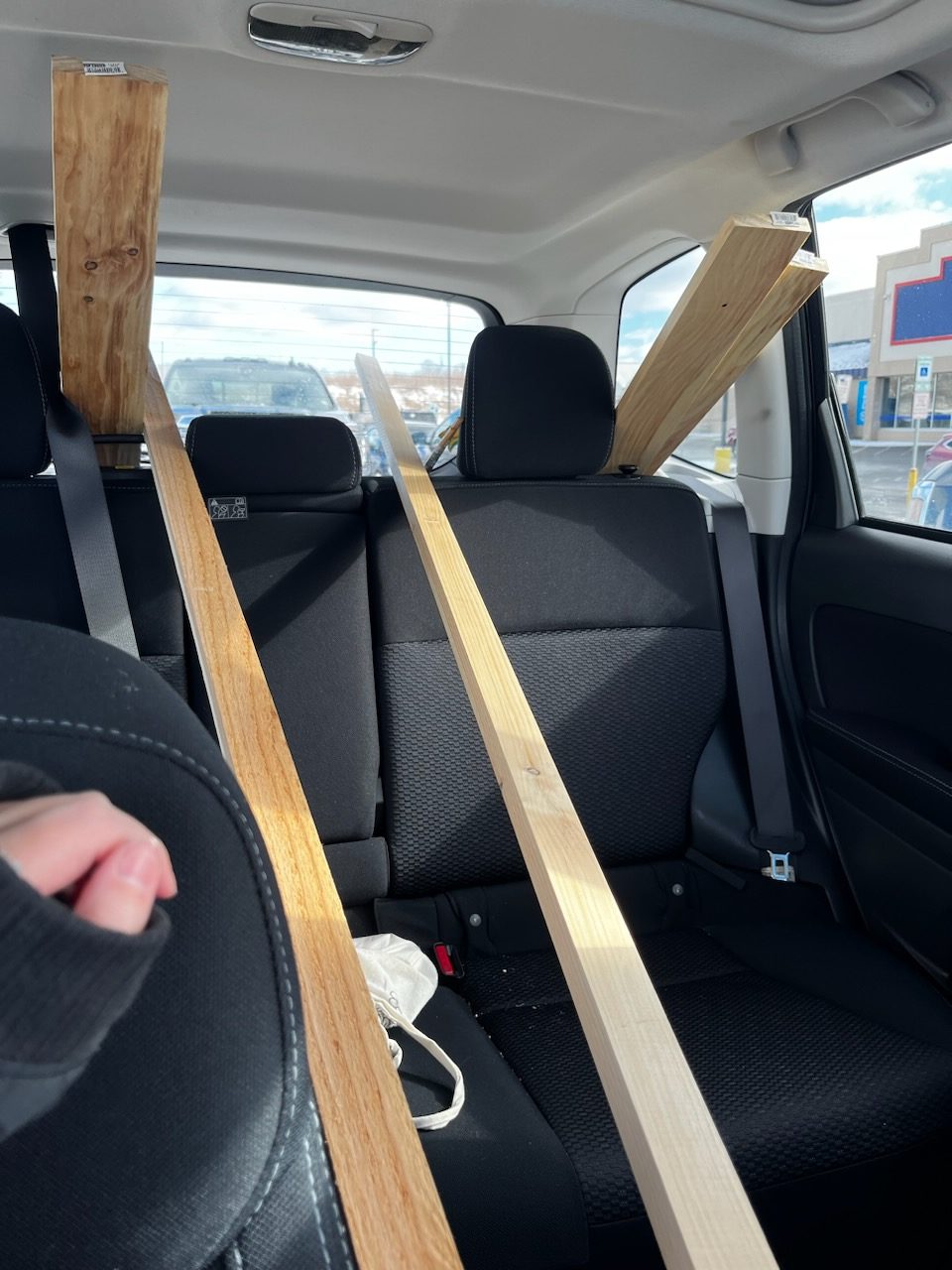
Now, as a graduate student I am more aware of what materials I will needed as well as how it can be budgeted it. Here are some tips and tricks!
- Talk to your professors and make sure that all the materials that are written are needed
- Reuse all materials and ALWAYS keep unused materials
- Apply to reward programs at craft stores such as Michael’s, Joanne Fabrics, and Home Depot
- Look at thrift stores and on the side of the road for discarded treasure
- Find a buddy in a class and try to split up material cost by sharing materials
Overall, it is important to look at budgeting for art supplies just like how any other major would budget for their books or needed supplies. Go into the semester with a budgeting system that works for you and be honest and open with your professors in regards to cost of materials.
Stay creative!
Emma Brooks