If you’ve been painting with acrylics and experimenting with various techniques, you might have wondered how to make your paint thicker. The technique you’re looking for is called impasto, a method most commonly associated with the Impressionist movement. Impasto allows artists to create thick layers of paint, preserving visible brushstrokes and adding dimension to their work.
There are several ways to achieve impasto, each yielding a unique effect.
1. Using More Paint
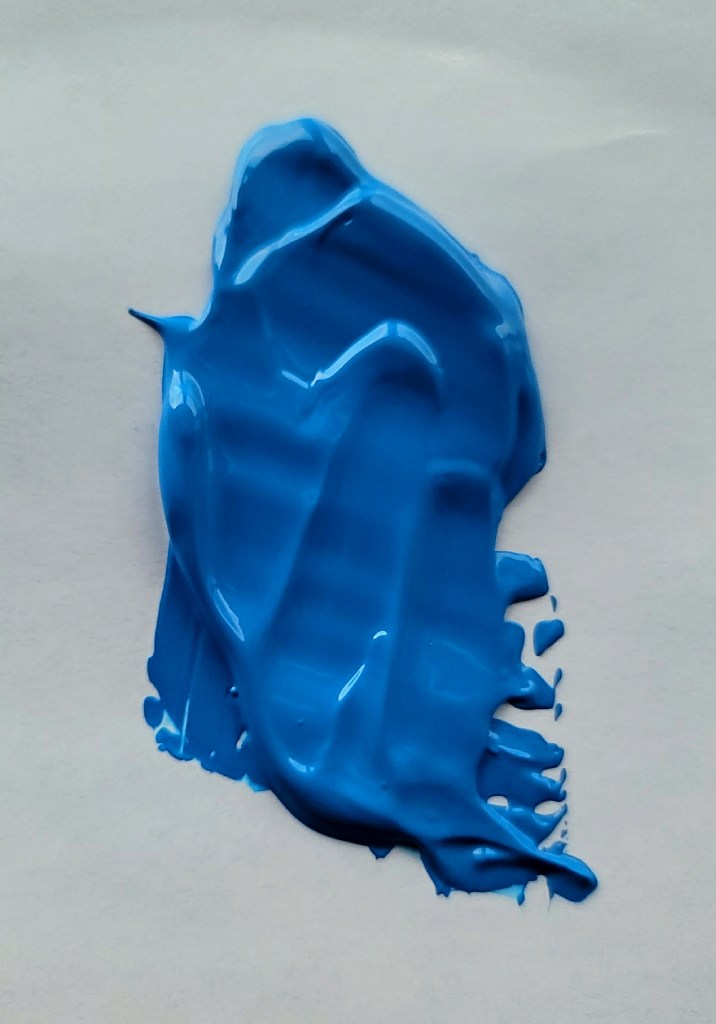
The simplest approach is to load your brush or palette knife with a generous amount of paint and apply it in thick layers. This technique works well, but acrylic paint tends to be thinner than oil paint, which can make building up thick layers more challenging. To achieve a thicker consistency, consider using heavy-body acrylics, which are designed to have a thicker consistency and allow for more build-up without the need for additional mediums. The downside is that this method consumes a lot of paint, so you’ll find yourself replenishing your supplies more frequently.
2. Mixing Acrylics with Mediums
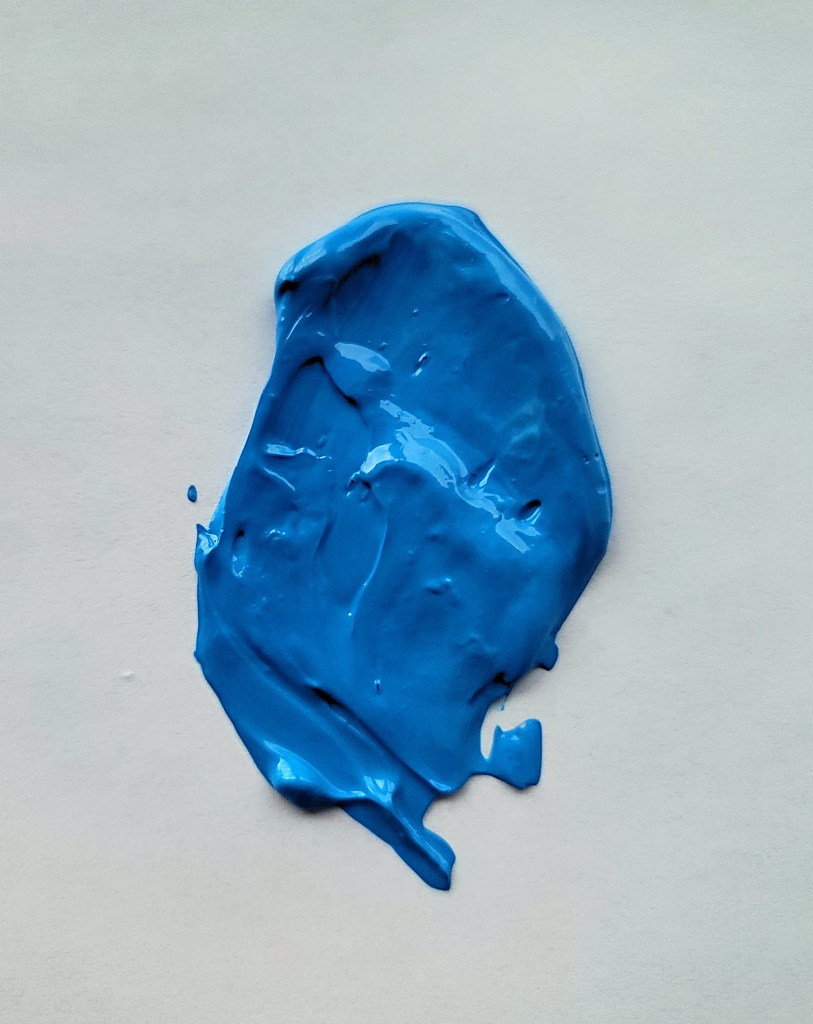
Another method is to mix your acrylic paint with various mediums to increase its thickness. Gel mediums and modeling pastes are popular choices. These mediums vary in thickness and finish, offering flexibility depending on your desired effect. For example, gel and super-heavy gel mediums provide a thick, smooth texture, and can create a satin, gloss, or matte finish. Modeling paste provides a thicker, more sculptable texture and comes in different types, such as flexible or light, each offering a different degree of rigidity. By mixing these mediums with acrylic paint, you can build up texture while using less paint overall, making this a more cost-effective option.
3. Incorporating Dry Media
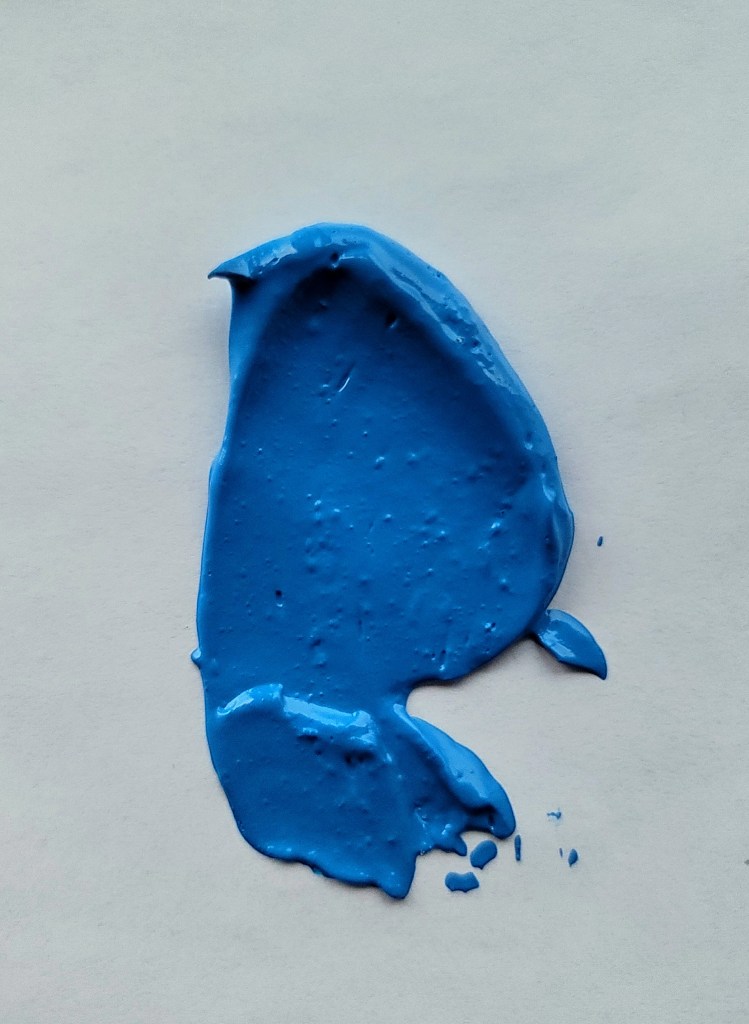
A third option is to add dry media to your acrylic paint, which can also thicken the texture while reducing the amount of paint you need. This method allows for great creative exploration, as there are many materials you can experiment with. Common options include sand, baking soda, talcum powder, whiting, glass beads, and even torn paper. Each of these will not only thicken the paint but also create different textures and effects, making this a fun and experimental way to work with impasto.
Whether you’re seeking a simple way to build texture, looking for more control over the finish, or wanting to experiment with new materials, there are many paths to creating impasto with acrylics. Each method offers its own unique effects, so don’t hesitate to explore and find the one that best suits your style. By mixing in mediums or dry ingredients, you can bring exciting new dimensions to your artwork while stretching your acrylic paint further. Happy painting!
Featured Image by Anna Kolosyuk