“I’m not good at art.”
This, without fail, is one of the most common responses I receive when I ask people, Do you like to create art?
This response sounds sort of tragic, does it not? After all, I did not ask if someone is particularly skilled at drawing, painting, or whatever media it may be. I simply asked if they enjoy art. Some people might argue that I am getting stuck on a technicality but it goes so much further than that. So many skills, but especially those involved in the arts and education, are thought to only be enjoyable if a person is “good” at them. (Whatever “good” actually means — but I will get to that a little later!) Most often, I have heard from people who don’t like art that they stopped drawing when they realized they “were not good at art.”
What is most heartbreaking about this sentiment is that when people realize they “are not good at art,” it is usually because someone is telling them they are bad at creating. Just look at little kids; so many children love to create. Scribbles on a paper are an abstract art piece in the making. Toddlers are singers in the making, babbling and humming their own tunes! Even the little tots are dancers, busting a move just because they feel like it! Young children love to create, not because of other people’s opinions, but because they find inner joy doing so. Unfortunately, we live in a world that turns off that creative spark as they grow older, all because what they create might not have the arbitrarily established level of “good” expected at their given age. Kids that might have loved creating are told that their art is no good, and as a result, start to believe it. By the time they hit middle school, the number of kids who still like art has plummeted since kindergarten.
Fortunately for me, I was one of the lucky few who had people encouraging my artistic pursuits throughout my entire life. My parents were always fostering my creativity, whether they thought my art was good or not. They would always come to school art shows, and had signed me up for countless “Bob Ross” classes. Chalk was a constant in my house, and crayons were bountiful. To this day, some of my elementary school projects are STILL hanging in my parents’ basement, and not because they were forgotten there. While the drive to create art should come from within, my parents’ encouragement certainly helped me hone my skills and decide for myself if I liked art (regardless of how “well” I drew).
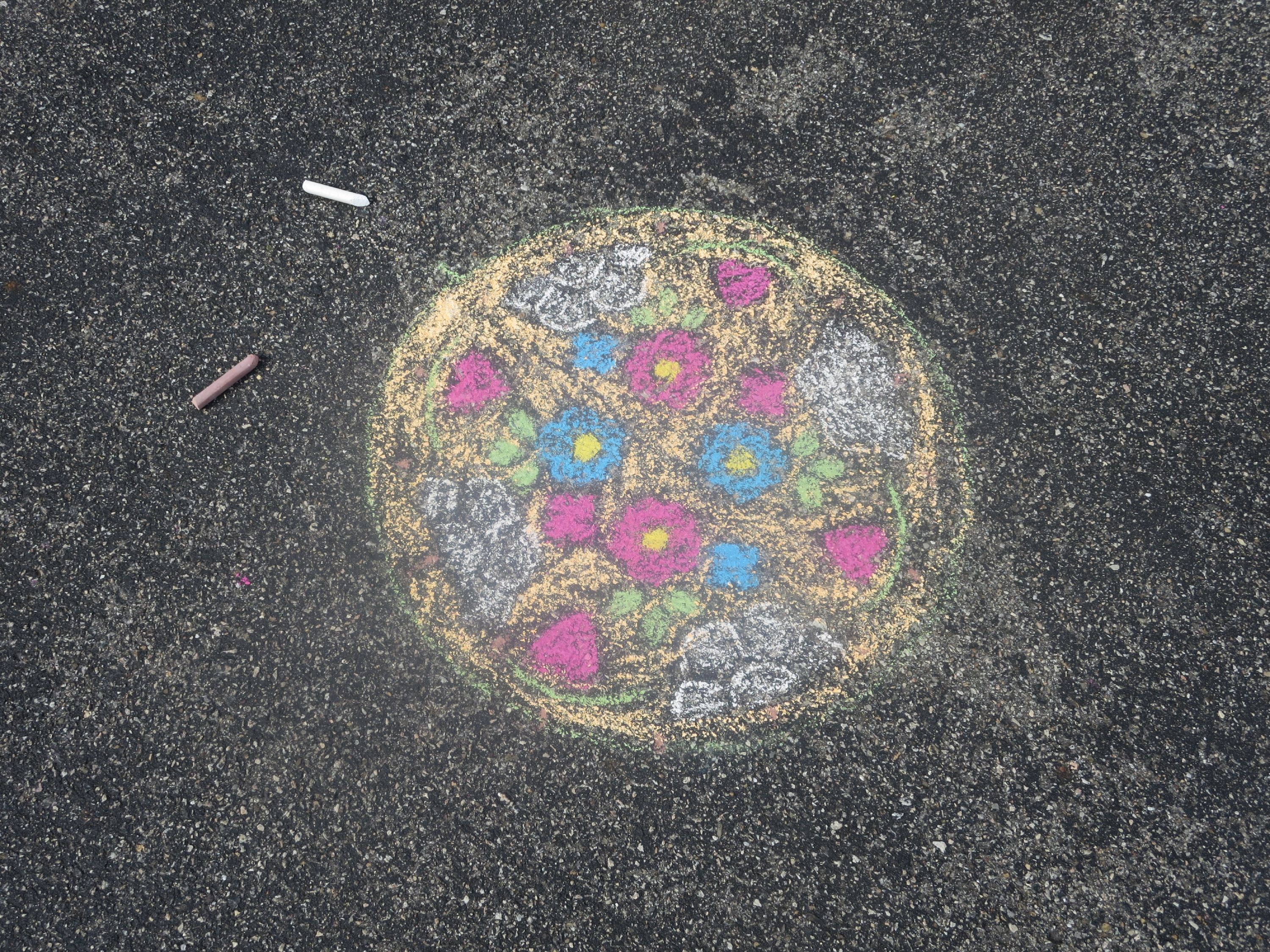
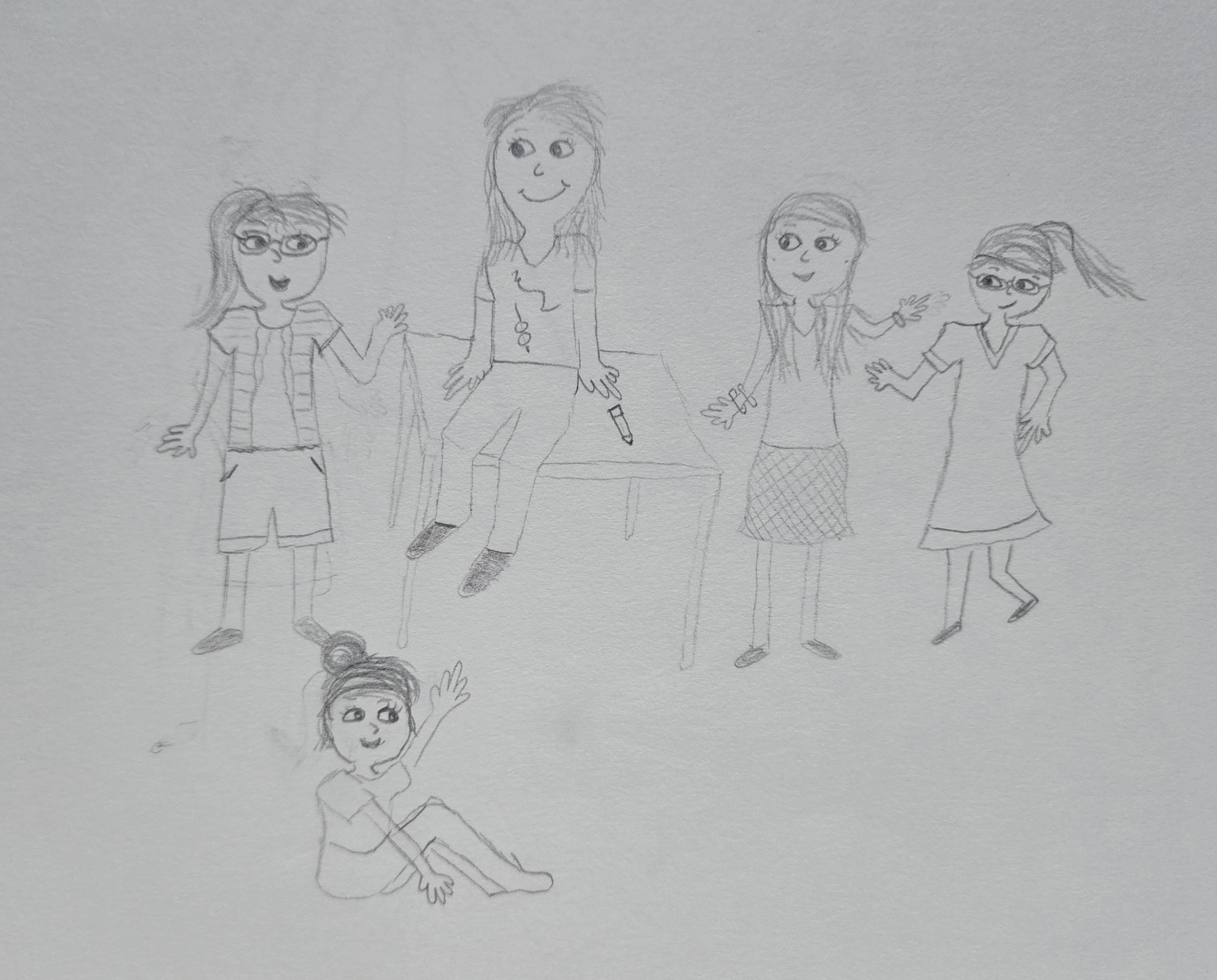
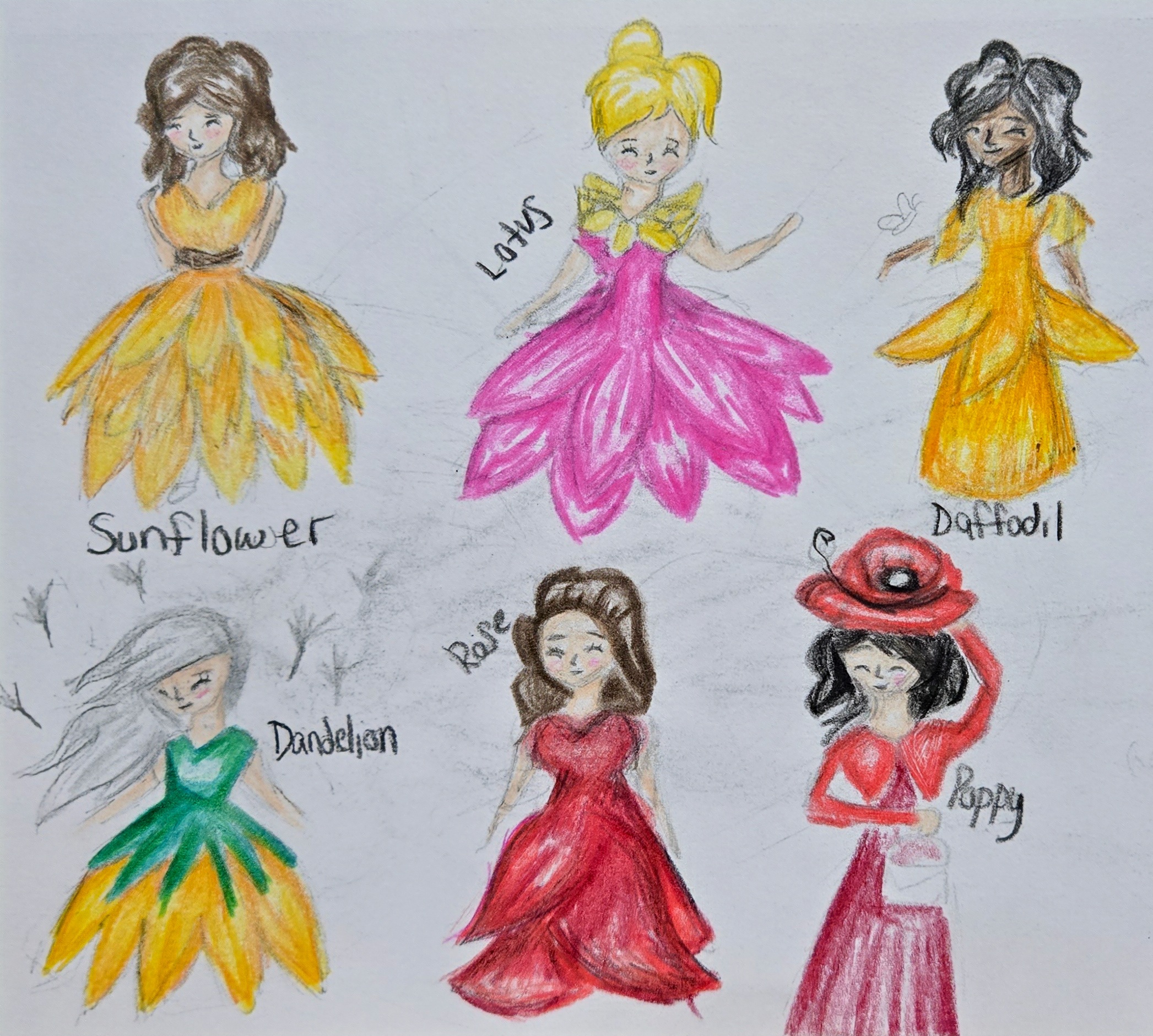
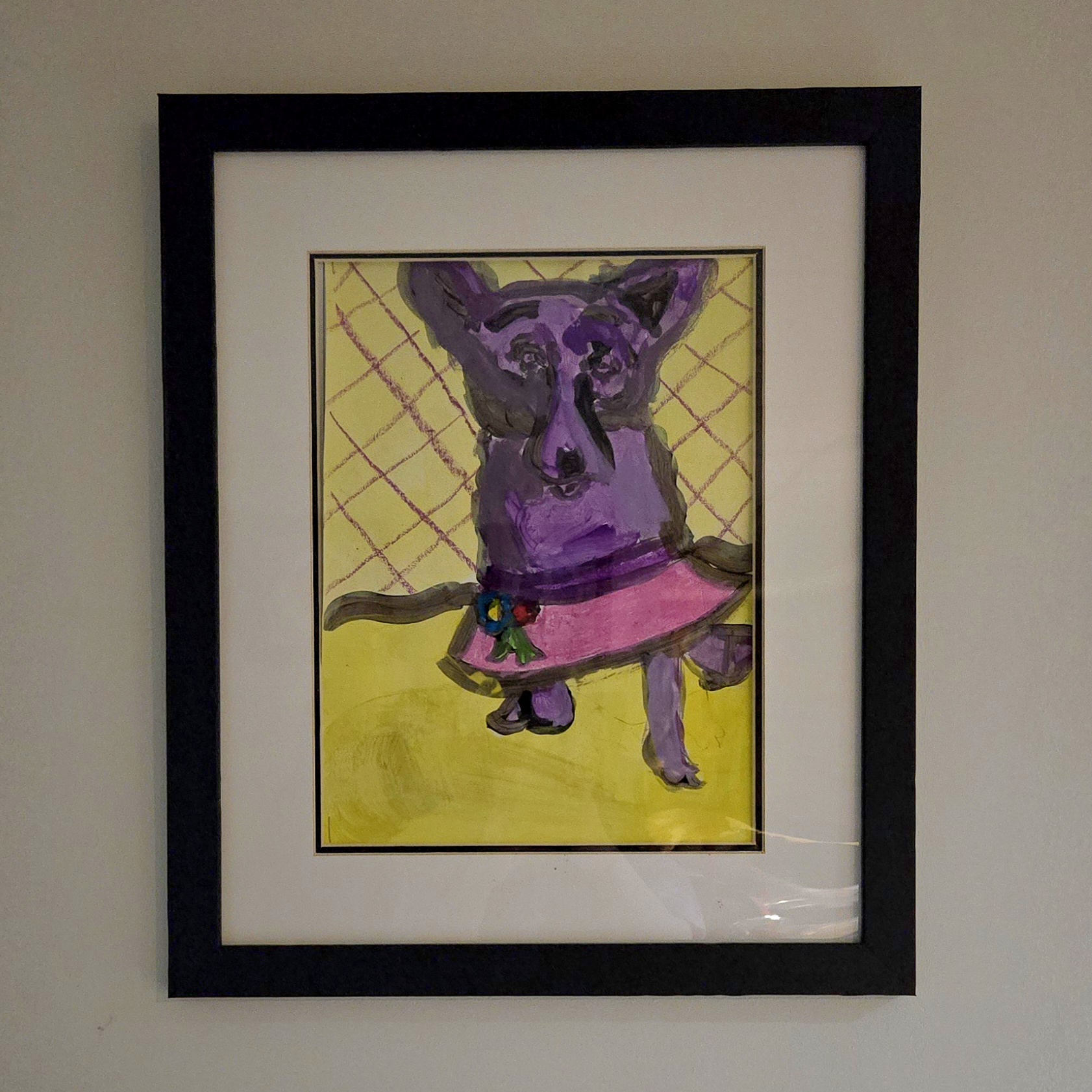

As someone who recognizes how important encouragement and support is to developing a love for art, I try to encourage that in today’s children. The first step to fostering a world that allows for creativity without having to be “good” at art is to eliminate the idea of objectively good art. Additionally, certain philosophies do preach that art does have an objective aesthetic value, but the beauty of something still does seem to differ between individuals. One person’s treasure is another person’s trash, after all. Even tools like the Principles and Elements of Art are subjective. These tools do help to achieve a successful piece, but they do not solely carry the beauty of a piece. One person might love a roughly textured piece, while another does not.
Moreso, the subjectivity of how “good” a piece of art is is up to the artist themself! While it’s nice to have others compliment your work, it is more important that the art is fulfiling for the artist, not the viewers. That being said, it is most important that we start teaching children early that art is not about the product, it is about the process. If drawing makes them happy, if painting scratches their brain just right, if sculpture allows them to express themself in a unique way — whatever the reason — then that is all that matters. If we can teach people that art is more than just an output and is instead a way to connect with yourself and others, then I think that the relationship people have with art will improve so much. These children who grow up seeing art as a process rather than an object they have to produce a specific way will become adults who still love art.
I don’t know about you, but that sounds pretty amazing. So I ask you again — “Do you like to create art?”