Hello, and welcome back! Today I wanted to talk about a really interesting tapestry artist I came across named Yvette Cauquil-Prince. She was a remarkable textile artist known for turning paintings into large, colorful tapestries. She was born in Belgium in 1928 and later moved to Paris where she developed her own artistic style. Her work stands out because she didn’t just copy paintings onto fabric, she translated them into a new art piece with her own form of artistic expression.
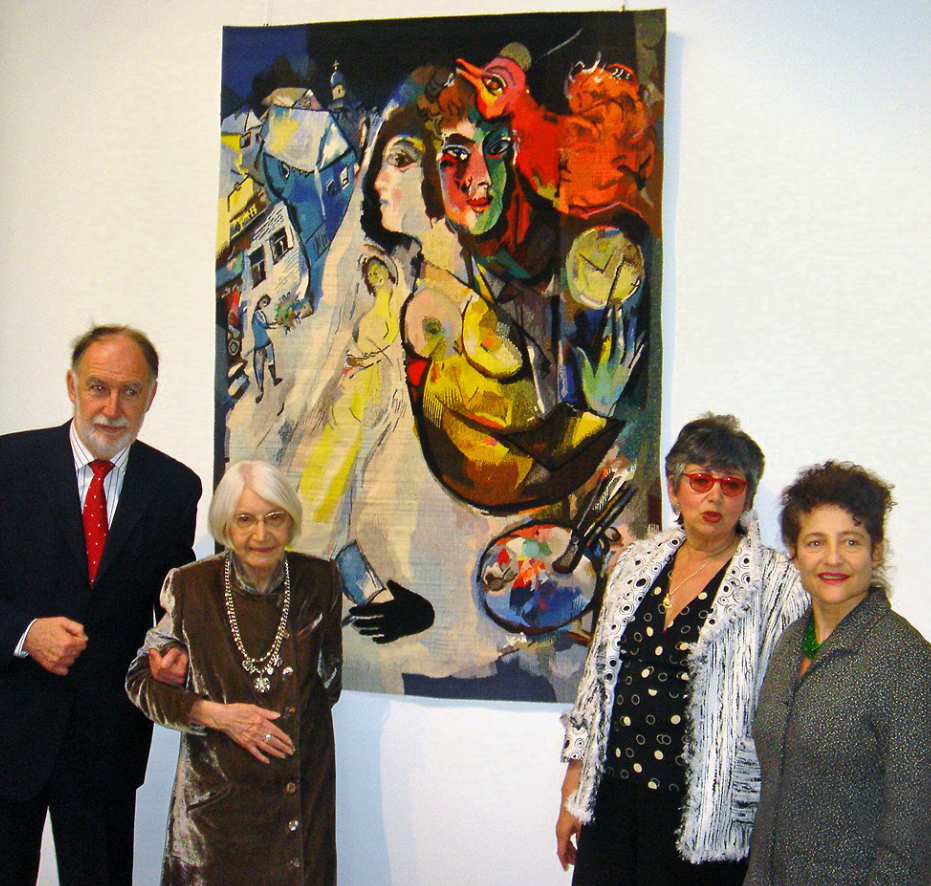
Cauquil-Prince worked closely with several famous painters, especially Marc Chagall. She admired the dreamlike quality of his art and she brought these feelings into her woven pieces. When she created tapestries with Chagall’s images, she made choices about color, shading, and texture that allowed the image to bring a new feeling and look than before. They worked together using paintings and thread to create over 40 tapestries together.

Tapestry weaving takes time and patience because each line of yarn must be placed by hand. Cauquil-Prince paid close attention to how different fibers could create light or shadow. Wool could look soft and warm where silk could make a small area shine. She often used these materials to give depth to different areas in the tapestries she made.
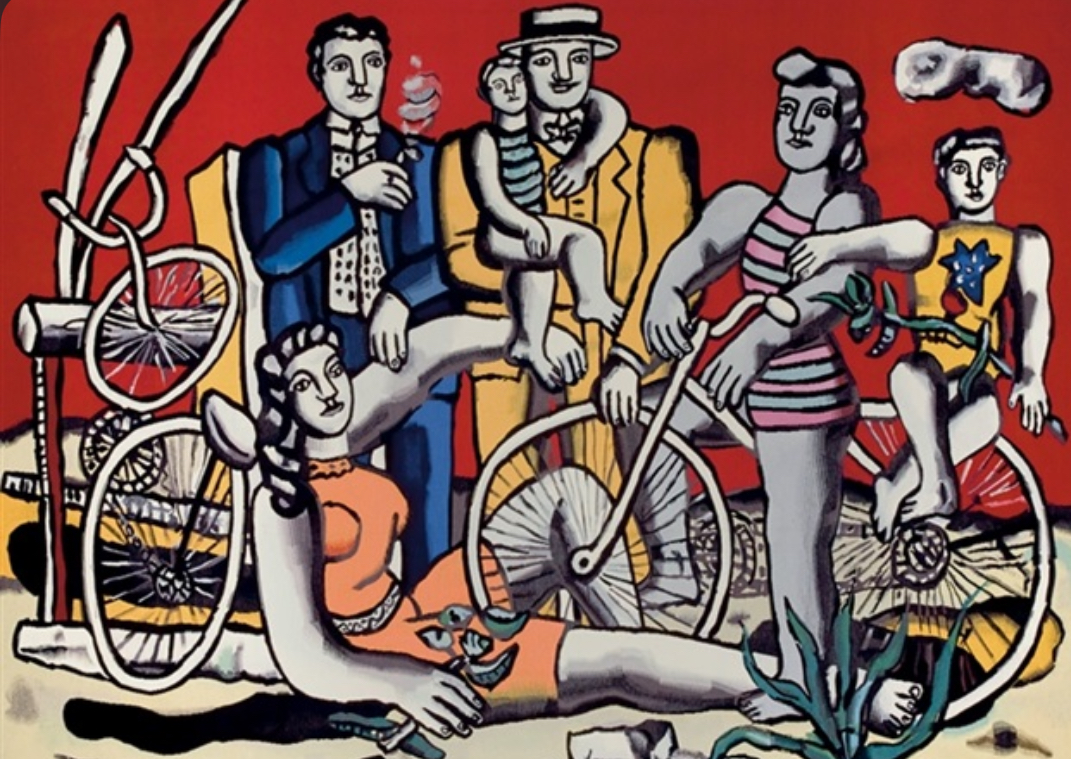
One of the most interesting things about her is how she changed how people viewed tapestries as an art form. Many people think of tapestries as decoration, but Cauquil-Prince showed that it could be a way of expression. Her collaborations with other artists allowed her to explore her art form in a brand new way. She explored new emotional tones and used the physical qualities of fabric to change how viewers experienced the art.
Yvette Cauquil-Prince is a pioneer in her field and created incredible pieces of art in her lifetime. I hope you all enjoyed reading about this incredible artist as much as I did! Thanks and see you next time!
-Marissa